Summary

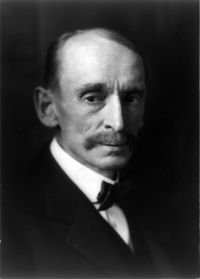
Portrait of William R. Day William R. Day Tiger v. Western Investment Company…

And we can conceive of no sufficient reason why the United States, in the exercise of its sovereign power, should be denied the right to impose similar limitations, especially when it is dealing with the dependent race like the Indians, who have always been regarded as the wards of the government. Citizenship does not carry with it the right on the part of the citizen to dispose of land which he may own, in any way that he sees fit, without reference to the character of the title by which it is held. The right to sell property is not derived from, and is not dependent upon, citizenship
Source: Wikisource

Portrait of William R. Day William R. Day Tiger v. Western Investment Company…

That the adult heirs of any deceased Indian of either of the Five Civilized Tribes whose selection has been made, or to whom a deed or patent has been issued for his or her share of the land of the tribe to which he or she belongs or belonged, may sell and convey the lands inherited from such decedent; and if there be both adult and minor heirs of such decedent, then such minors may join in a sale of such lands by a guardian duly appointed by the proper United States court for the Indian territory.
Source: Wikisource

Portrait of William R. Day William R. Day Tiger v. Western Investment Company…

Does the fact of citizenship necessarily end the duty or power of Congress to act in the Indian's behalf?
Certain aspects of the question have already been settled by the decisions of this court. That Congress has full power to legislate concerning the tribal property of the Indians has been frequently affirmed.
Source: Wikisource

Get perspective with Kwize: daily news enlightened by great literature