Summary

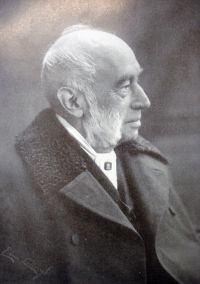
Portrait of William Rathbone William Rathbone Local taxation and poor law administration in great cities (1869)

I believe that a nation, the mass of whose citizens are individually virtuous and industrious, can stand very heavy and even wasteful expenditure, and yet prosper. But if that waste and expenditure tend, as I believe the waste and expenditure of the Poor Law system does, to destroy the industry, the virtue, and the independence of the working population of the country, it as surely tends to undermine the very foundations of national greatness and prosperity.
Source: Wikisource

Portrait of William Rathbone William Rathbone Local taxation and poor law administration in great cities (1869)

But I do not think that any practical man will deny that a man pays more for his house, rates and rent together, in a place where the rates are high than he does in a town where the rates are low. By increasing the area of taxation we should only meet part of the injustice; we should only tax residential expenditure and should still leave a large amount of the wealth exempt. And even to catch the residential expenditure, we must so increase the area as to make the parishes too large and cumbrous to manage.
Source: Wikisource

Portrait of William Rathbone William Rathbone Local taxation and poor law administration in great cities (1869)

I think, Sir, that I have shown the present incidence of taxation is doubly unfair,—that it not only throws upon the large towns burdens which do not belong to them, but that it unfairly distributes those burdens, even amongst the different classes of their inhabitants; and I think I have shown that the wealthy classes, now exempt, ought to be made to contribute their fair share towards local taxation.
Source: Wikisource

Get perspective with Kwize: daily news enlightened by great literature