Athabasca River

Definition and stakes

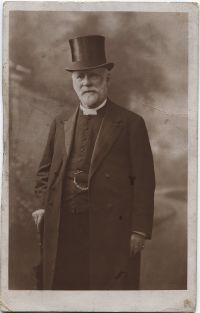
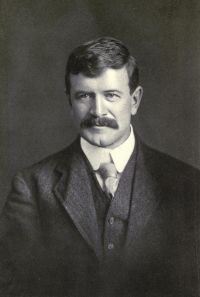
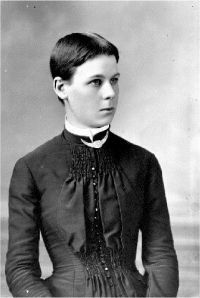
Portrait of Agnes Deans Cameron Agnes Deans Cameron,  The New North

“ Where the Lesser Slave River runs into the Athabasca, we change the dugout for a scow, and from there to Athabasca Landing float down the last stretch of our northern waterways of delight. There is frost each night now and the deciduous trees on the banks are a rich riot of colour. We resurrect from the depths all the warm clothing available and have opportunity of testing in their own latitudes the lynx-paw robes, moose-skin hunting-coats, and other spoils that we are bringing out to civilisation.
Every passenger who floats with us enlarges our knowledge and enriches our vocabulary.
”
Source: Gutenberg

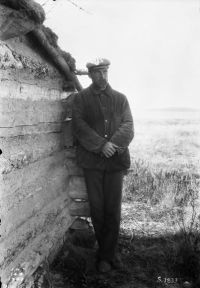
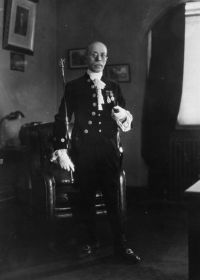
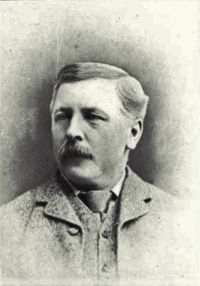
Portrait of Charles Mair Charles Mair,  Through the Mackenzie Basin

“ The agricultural resources of this region of rocks are certainly meagre compared with those of Peace River. Potatoes, where there is any available soil, grow to a good size; barley was nearly ripe when we were there, and wheat ripens, too. But, of course, it is not a farming region, nor are fish plentiful at the west end of the lake, the Athabasca River, which enters there, giving for over twenty miles eastward a muddy hue to the water. The rest of the lake is crystal clear, and whitefish are plentiful, also lake trout, which are caught up to thirty, and even forty, pounds' weight. ”
Source: Gutenberg

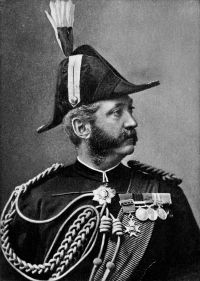
Alexander Mackenzie,  Voyages from Montreal Through the Continent of North America to the Frozen and Pacific Oceans in 1789 and 1793…

“ This river, which waters and reflects such enchanting scenery, runs, including its {cxxxiii} windings, upwards of eighty miles, when it discharges itself in the Elk River, according to the denomination of the natives, but commonly called by the white people, the Athabasca River, in latitude 56. ”
Source: Gutenberg

Get perspective with Kwize: daily news enlightened by great literature