Bacon's Rebellion

Definition and stakes

Thomas Jefferson Wertenbaker Patrician and Plebeian

It is true that Bacon's Rebellion was put down amid the blood of those that were its chief promoters, but the fury and horror of that outburst were not forgotten, and never again did governors or aristocracy drive to despair the commons of the colony by unjust taxation and arbitrary assumption of all power. Moreover, the misfortunes that preceded the Rebellion stirred in the breasts of the poor farmers a feeling of brotherhood, causing them to realize that their interests were common, and that by common action alone could they guard their interests.
Source: Gutenberg

Thomas Jefferson Wertenbaker Bacon's Rebellion, 1676

When Bacon returned from the Occaneechee fight, he was elated with the acclaim of the people, not only on the frontier but in all parts of the colony, but he was aggrieved that the governor had proclaimed him a rebel and threatened his life. On May 25, he wrote to Berkeley: "I am sorry to find that for the expence of our estates and hazard of our lives in the country's service we should by misinformers have our true intentions so falsely represented to you.... We have all along manifested our abhorrence of mutiny and rebellion....
Source: Gutenberg

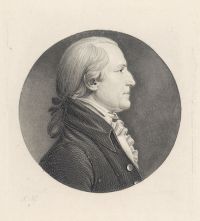
Portrait of St. George Tucker St. George Tucker Hansford: A Tale of Bacon's Rebellion

With the quick perception of true genius, Nathaniel Bacon saw the effect produced. Well aware of the volatile materials with which he had to work, he dreaded a revolution in the feelings of the men. Anxious to smother the smouldering ashes of loyalty before they were fanned into a flame, he cried with a loud voice,
“Not a hair of your head shall be touched. No, nor of any man's. I come for justice, not for vengeance. I come to plead for the mercy which ill-judged and cruel delay has long denied this people. I come to plead for the living—my argument may be heard from the dead.
Source: Gutenberg

Get perspective with Kwize: daily news enlightened by great literature