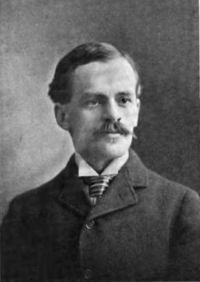
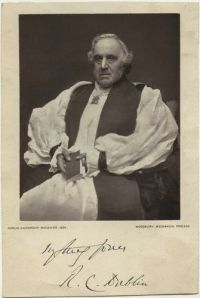
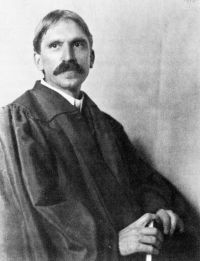
A manifesto is a written declaration of principles and intentions, often serving as a foundational text for political, artistic, or ideological movements. From the Communist Manifesto (1848) by Marx and Engels, which redefined societal structures, to Upton Sinclair’s admiration for its role in advancing civilization, manifestos have historically connected theory with action.
They range from political proclamations, such as Simon Dubnow’s account of imperial decrees, to literary affirmations of radical change, as seen in John Spargo’s praise for their “unmistakable stamp of genius.” These texts, whether challenging established norms or outlining new visions, act as both catalysts for revolution and lasting expressions of purpose, highlighting the dual function of manifestos as instruments of influence and creative expression.