Big Horn Mountains

Definition and stakes

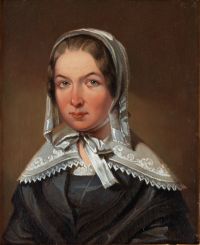
Edmund Flagg,  Flagg's The Far West, 1836-1837…

“ The Big Horn River, so called from the Rocky Mountain sheep, rises in the Wind River range, near the centre of Wyoming, flows north through the Big Horn Mountains into Montana, and bending toward the northeast joins the Yellowstone as its principal tributary. South of the Big Horn Mountains, the stream is usually called Wind River. The Big Horn Valley, the home of the Crows, was a rich fur-bearing region and frequently visited by trappers and traders.—Ed. ”
Source: Gutenberg

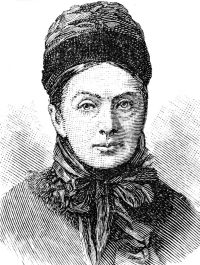
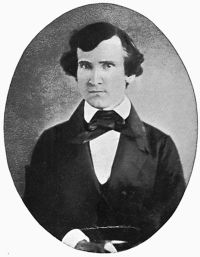
Portrait of Frances Fuller Victor Frances Fuller Victor,  Eleven Years in the Rocky Mountains and Life on the Frontier

“ Should it be found (as it appears to be almost certain that it will be found) to turn towards the Little Big Horn, he thinks that you should still proceed southward perhaps as far as the head waters of the Tongue, and then turn toward the Little Big Horn, feeling constantly, however, to your left, so as to preclude the possibility of the escape of the Indians to the south or south-east by passing around your left flank. The column of Col. Gibbon is now in motion for the mouth of the Big Horn. ”
Source: Gutenberg

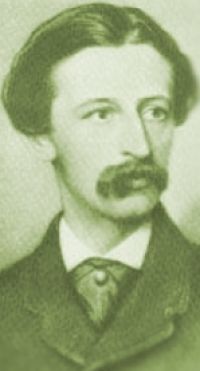
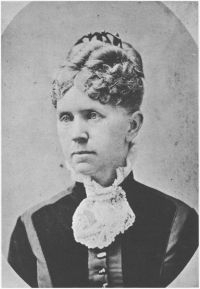
Portrait of Augustus J. C. Hare Augustus J. C. Hare,  The Story of My Life, volumes 1-3

“ Thence you look down, first by a great precipice upon a wilderness of glaciers, and beyond, upon a still greater wilderness of mountains all covered with snow. They tell you one is Monte Rosa, another the Weiss Horn, and so on, but they all look very much alike, except the great awful Matterhorn, tossing back the clouds from its twisted peak. It is a grand view, but I could never care for it. The snow hides the forms of the mountains altogether, and none of them especially strike you except the Matterhorn. There is no beauty, as at Chamounix or Courmayeur: all is awful, bleak desolation. ”
Source: Gutenberg

Get perspective with Kwize: daily news enlightened by great literature