Mont Blanc

Definition and stakes

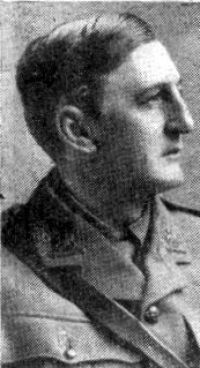
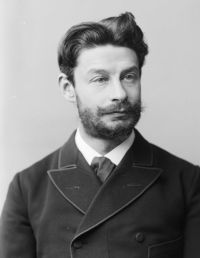
George Ingle Finch The making of a mountaineer (1924)

Mont Blanc showed up to wonderful advantage, an enormous snowy dome, the brilliance of its wide flanks almost entirely unrelieved by the darkness of rock. Far below lay the valley of Chamonix, its detail filtered softly through the grey-blue haze of a fine summer’s day. Beyond the Buet and the lesser mountains of Savoy, the gaze roved over a purple mistiness shrouding the Lake of Geneva, to the sombre wooded curves of the Jura. On our right were the tapering spires of the Chamonix Aiguilles and the wider snows of Mont Blanc de Tacul, our next objective.
Source: Gutenberg

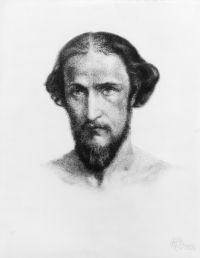
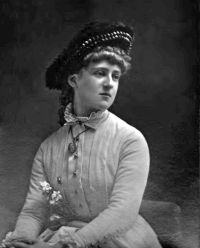
Portrait of Harriet Beecher Stowe Harriet Beecher Stowe Sunny Memories of Foreign Lands (1854)

Mont Blanc was dead. Mont Blanc was walking as a ghost upon the granite ranges. But as darkness came on, and as the sky over the Jura, where the sun had set, obtained a deep, rosy tinge, Mont Blanc revived a little, and a flush of delicate, transparent pink tinged his cone, and Mont Blanc was asleep. Good night to Mont Blanc.
Wednesday morning, June 29. The day is intensely hot; the weather is exceedingly fair, but Mont Blanc is not visible. Not a vestige—not a trace. All vanished. It does not seem possible.
Source: Gutenberg

Curtis Guild Over the Ocean; or, Sights and Scenes in Foreign Lands

Above us are great mountains with snowy peaks; great mountains with dark-green pines at their base, and splintered, gray, needle-like points; glittering glaciers, like frozen rivers, can be seen coming down through great ravines; waterfalls are on the mountain-sides; and towering up like a gigantic dome, the vastness and awful sublimity of which is indescribable, is Mont Blanc, which the lover of grand mountain scenery will pause and gaze at, again and again, in silent awe and admiration.
Source: Gutenberg

Get perspective with Kwize: daily news enlightened by great literature