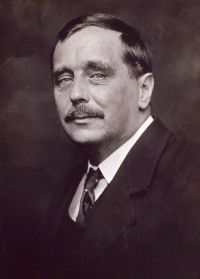
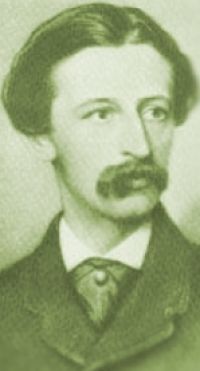
Bishop Joseph Blount Cheshire

Definition and stakes

Lawrence Foushee London Bishop Joseph Blount Cheshire: His Life and Work (1941)

Cheshire often remarked that during his ministry he never accepted a call to any parish, explaining that the Bishop had directed him to go to Chapel Hill and later to the parish in Charlotte. This was not said in a spirit of criticism of his Bishop but merely as a statement of fact, for he also declared that he "preferred" to have his work given him. Throughout his long life of service he always had the feeling of doing a work assigned to him.
Source: Gutenberg

Lawrence Foushee London Bishop Joseph Blount Cheshire: His Life and Work (1941)

When Bishop Cheshire was entering upon his seventieth year, he felt little impairment of his physical strength and had no desire to diminish his episcopal duties. He realized, however, that others might feel he was growing too old to carry on the work alone. Placing the affairs of the church above any personal considerations, he asked the convention of 1919 whether he should continue to administer the Diocese without assistance or adopt some other course. The Bishop then retired, and the convention sitting as a committee of the whole considered its reply.
Source: Gutenberg

Lawrence Foushee London Bishop Joseph Blount Cheshire: His Life and Work (1941)

The advocates of reconciliation were successful, and Dr. Cheshire was elected one of the deputies to the General Convention. At Philadelphia he used all his influence in helping to bring about the reunion of the church.
Two years after he took charge of Calvary parish, Dr. Cheshire was married to Elizabeth Toole Parker, daughter of Theophilus Parker, his senior warden, and Mary Toole Parker. The next most important event in his life was the birth of his son and namesake, Joseph Blount, who was born on March 27, 1850. In the course of time Dr. and Mrs.
Source: Gutenberg

Get perspective with Kwize: daily news enlightened by great literature