Cape Coast Castle

Definition and stakes

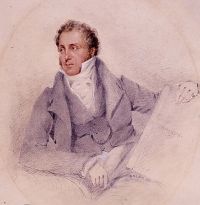
Lady Isabel Burton,  The Life of Captain Sir Richard F. Burton…

“ I lost all patience with Cape Coast Castle. Will our grandsons believe that in these days a colony which cannot afford £150 per annum for a stipendiary magistrate, that men who live in a state of poverty, nay, of semi-starvation, are so deficient in energy as to be content with sitting down hopelessly, whilst gold is among their sands, on their roads, in their fields, in their very walls? That this Ophir—that this California, where every river is a Tmolus and a Pactolus, every hillock is a gold-hill—does not contain a cradle, a puddling-machine, a quartz-crusher, a pound of mercury? ”
Source: Gutenberg

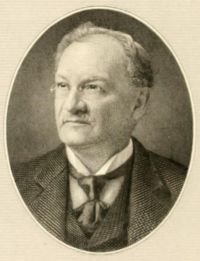
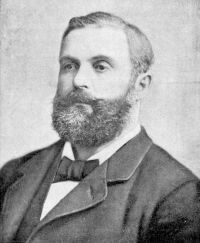
Portrait of Thomas Wallace Knox Thomas Wallace Knox,  The Boy Travellers in the Far East…

“ The foreign settlements are chiefly for purposes of trade; and as they have been placed there in most instances against the will of the natives, and are liable at any time to be assaulted, they are generally protected by fortifications. One of the strongest of these is Cape Coast Castle. The English settled there more than two hundred years ago, and established themselves on a rocky point, where they were quite safe from the natives, and could make good resistance to a European foe. ”
Source: Gutenberg

Anna B. Badlam,  The World and Its People, Book VII: Views in Africa

“ Attempts have been made to introduce cattle and horses. These have all been unsuccessful, owing to that African scourge, the poisonous tsetse fly.
As far back as 1849 all the Dutch possessions along this coast were ceded to England, and by a treaty of 1871 all the Dutch possessions became British property.
The principal British station is Cape Coast Castle. It is named from its great church-like fort on the water's edge beside the filthy native town, above which the European residences peep out from among the woods. Elmina, "the mine," is situated about midway along the coast.
”
Source: Gutenberg

Get perspective with Kwize: daily news enlightened by great literature