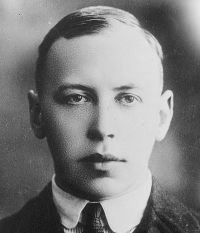
Captain Duncan

Definition and stakes

by John Marshall,  Royal Naval Biography — Duncan… (1823)

“ From the foregoing statement, it will appear very evident to our readers, that Captain Duncan, although he never had the good fortune to encounter a frigate at sea, was both active and successful in coast operations against the enemy: he did as much along shore as any officer we have ever heard of. Having no frigates to fight, he never lost an opportunity of attacking the enemy’s convoys in their own ports, destroying batteries, and cutting out work for himself in every possible shape. ”
Source: Wikisource

by John Marshall,  Royal Naval Biography — Duncan… (1823)

“ Duncan was prevented from joining the naval force employed on that occasion, in consequence of a fever which broke out among his gallant crew, and obliged him to proceed to Mahon, where he was detained from April 10th till May 8th, 1814, previous to which all military operations in Europe had terminated. Providentially, of 250 men who went to the hospital, not a single person died.
The Imperieuse returned to England about the middle of July, 1814; and Captain Duncan, immediately on his arrival, was appointed to the Glasgow, a new frigate, mounting 50 guns
”
Source: Wikisource

by John Marshall,  Royal Naval Biography — Duncan… (1823)

“ During a subsequent cruise, Captain Duncan fell in with two French squadrons, one from Rochefort, the other from Toulon, consisting altogether of nine sail of the line and seven frigates. This formidable force he continued to watch (in company with the Active) , keeping almost constantly insight of one division or the other, for nearly three weeks, at the end of which time the enemy formed a junction and put into Corfu, from whence the Porcupine was sent by Captain Moubray, the senior officer, to apprise Lord Collingwood of their arrival. ”
Source: Wikisource

Get perspective with Kwize: daily news enlightened by great literature