Summary

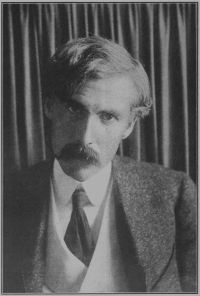
Portrait of Norman Duncan Norman Duncan The Adventures of Billy Topsail

Often, when the men were spinning yarns in the cottages of Ruddy Cove of a winter night, he had listened, open-mouthed, to the tales of seal-hunters who had been cast away. Now he was himself drifting out to sea. He had no fire, no food, no shelter but a hummock of ice. He had the bitterness of the night to pass through—the hunger of to-morrow to face.
"But sure," he muttered, with characteristic hopefulness, "I've a boat, an' many a man has been cast away without one."
Source: Gutenberg

Portrait of Norman Duncan Norman Duncan The Adventures of Billy Topsail

OF a sunny afternoon the Newfoundland coastal steamer Clyde dropped Billy Topsail at Snook's Arm, the lair of the whaler Viking: a deep, black inlet of the sea, fouled by the blood and waste flesh of forgotten victims, from the slimy edge of which, where a score of whitewashed cottages were squatted, the rugged hills lifted their heads to the clean blue of the sky and fairly held their noses. It was all the manager's doing. Billy had but given him direction through the fog from Mad Mull to the landing place of the mail-boat.
Source: Gutenberg

Portrait of Norman Duncan Norman Duncan The Adventures of Billy Topsail

But the fall of the topmast had so tangled the rigging and jammed the gaff and boom that before the crew could remove the unconscious cook and lift the sail, the wind had turned the schooner and was driving her stern foremost, as it appeared, on the ice.
The skipper, from his station at the wheel, calmly observed the nearing berg, and gave the schooner up for lost. There was no time to raise the sail—no room for beating out of danger. He saw, too, that if she struck with force, the quarter-boat, which was swinging from davits astern, would be crushed to splinters.
"She's lost!" he thought.
Source: Gutenberg

Get perspective with Kwize: daily news enlightened by great literature