Cathari

Definition and stakes

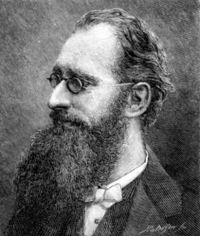
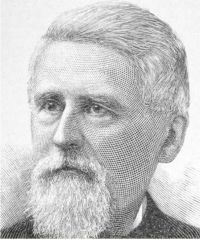
Portrait of Henry Charles Lea Henry Charles Lea,  A History of the Inquisition of the Middle Ages… (1887)

“ Powerful as he was, he felt himself unequal to the task. The burgesses of his cities, independent and intractable, were for the most part Cathari. A large portion of his knights and gentlemen were secretly or avowedly protectors of heresy; the common people throughout his dominions despised the clergy and honored the heretics. When a heretic preached they crowded to listen and applaud ; when a Catholic assumed the rare function of religious instruction they jeered at him and asked him what he had to do with proclaiming the Word of God. ”
Source: Wikisource

J. N. Larned,  History for ready reference, Volume 1…

“ CATHARISTS, OR PATARENES. "Among all the sects of the Middle Ages, very far the most important in numbers and in radical antagonism to the Church, were the Cathari, or the Pure, as with characteristic sectarian assumption they styled themselves. Albigenses they were called in Languedoc; Patarenes in North Italy; Good Men by themselves. Stretching through central Europe to Thrace and Bulgaria, they joined hands with the Paulicians of the East and shared their errors. ”
Source: Gutenberg

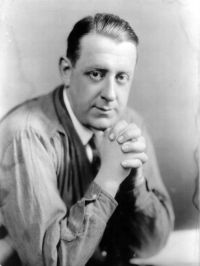
Portrait of Hendrik Willem Van Loon Hendrik Willem Van Loon,  Tolerance

“ Most likely it came by way of Asia Minor, the Black Sea and the Danube. Then it crossed the Alps and soon enjoyed immense popularity in Germany and France. There the followers of the new creed called themselves by the Oriental name of the Cathari, or “the people who lead a pure life,” and so widespread was the affliction that all over western Europe the word “Ketzer” or “Ketter” came to mean the same as “heretic.”
But please don’t think of the Cathari as members of a definite religious denomination. No effort was made to establish a new sect.
”
Source: Gutenberg

Get perspective with Kwize: daily news enlightened by great literature