Cayuse War

Definition and stakes

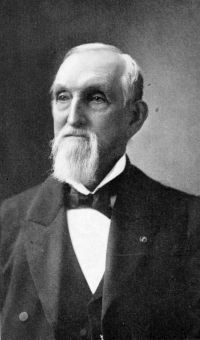
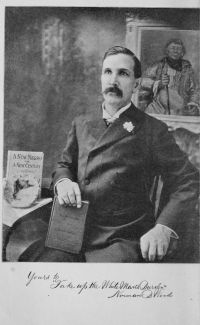
Portrait of Eva Emery Dye Eva Emery Dye,  McLoughlin and Old Oregon (1913)

“ All day the Indian fusees picked off the volunteers in their march to the upper country. At night for miles ahead the Cayuse signal-fires burned like sleepless red eyes on the hilltops. Without water, almost without food, without tents, and half clad, in the dead of winter, the little army hurried on toward Waiilatpu. Exhausted, famished, chilled, the Americans reached the camp of Pio-pio-mox-mox. The old chief came out to meet them. At his belt hung Siskadee's shot-pouch.
"We are not one with the Cayuses," he said. "We have no part in the war."
”
Source: Wikisource

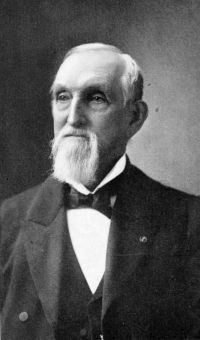
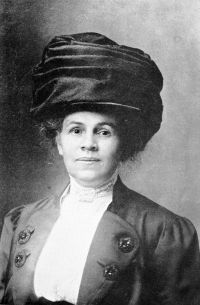
Portrait of Frances Fuller Victor Frances Fuller Victor,  History of Oregon (1886)

“ The correspondence of the Cayuse war is one of its peculiar features. Governor Abernethy had prepared a communication to be presented to the Nez Percés and other tribes to prevent a coalition with the Cayuses. In it he had begun with their first intercourse with white people, reminding them that they had invited and encouraged them to reside in their country, and that their white friends had earnestly labored to do them good, but had been rewarded with death. ”
Source: Wikisource

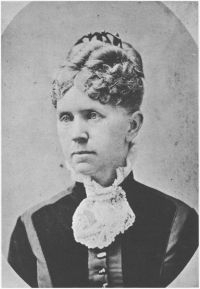
Portrait of Frances Fuller Victor Frances Fuller Victor,  The Early Indian Wars of Oregon (1894)

“ The volunteers performed the duty of holding the Cayuse country, and patroling the immigrant road to the satisfaction of the Oregon government and the immigra tion. Since the opening of the road, never had the Indians behaved so well. The murderers, reduced to poverty, and without ammunition, kept out of the way of hoth volun teers and immigrants. Thus the Cayuse war came to an end, it might be said, for want of powder. The murderers had not been hung, but they had been severely punished, and the Cayuse nation, as such, had lost its prestige forever. ”
Source: Wikisource

Get perspective with Kwize: daily news enlightened by great literature