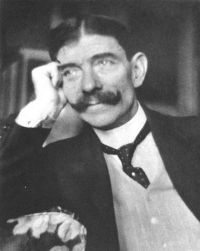
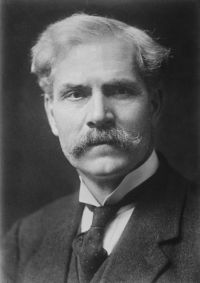
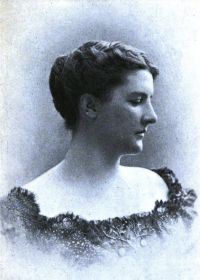
Charles Bradlaugh (1833–1891) was a British freethinker and politician who promoted secularism, founding the National Secular Society in 1866. His efforts to assert his atheism in Parliament and his support for progressive causes, such as contraception and republicanism, made him a controversial figure. Authors like Annie Besant emphasized his unwavering idealism, while G. W.
Foote depicted him as a flawed but courageous individual, highlighting his steadfast dedication to secular values. John Morrison Davidson pointed out his self-confidence but recognized his significance as a key Radical. Bradlaugh’s influence persists in the legal and cultural changes he inspired, symbolizing the conflict between personal belief and institutional opposition.
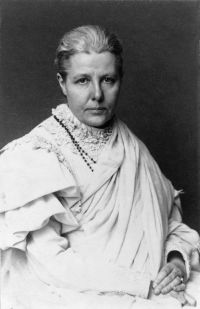
 Annie Besant,
Annie Besant: An Autobiography
Annie Besant,
Annie Besant: An Autobiography