Cogito, ergo sum

Definition and stakes

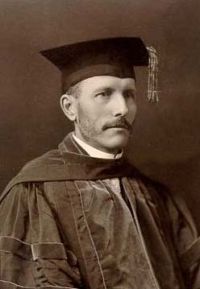
Portrait of Ambrose Bierce Ambrose Bierce,  The Devil's Dictionary — C

“ CARTESIAN, adj. Relating to Descartes, a famous philosopher, author of the celebrated dictum, Cogito ergo sum -- whereby he was pleased to suppose he demonstrated the reality of human existence. The dictum might be improved, however, thus: Cogito cogito ergo cogito sum -- "I think that I think, therefore I think that I am;" as close an approach to certainty as any philosopher has yet made. ”
Source: Wikisource

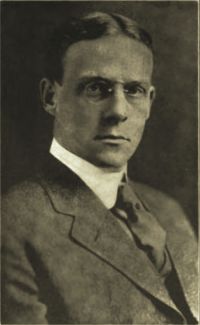
Alfred William Benn,  The Greek Philosophers, Vol. 2…

“ No mistake can be greater than to regard him as the precursor of German philosophy. The latter originated quite independently of his teaching, though not perhaps of his example, in the combination of a much profounder scepticism with a much wider knowledge of dogmatic metaphysics. His method is the very reverse of true idealism. The Cogito ergo sum is not a taking up of existence into thought, but rather a conversion of thought into one particular type of existence. ”
Source: Gutenberg

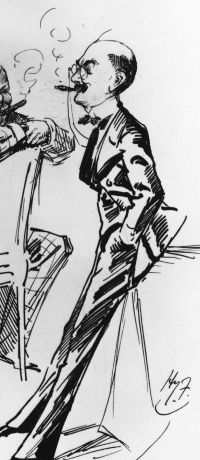
Portrait of Benedetto Croce Benedetto Croce,  The Philosophy of Giambattista Vico

“ Certitude, the truth of consciousness, is not science; but it is not on that account false. Vico was careful not to call the theories of Descartes false: his intention was only to lower them from complete truth to fragmentary truth, from science to consciousness. Cogito ergo sum is very far from false. That we find it expressed by Plautus's Sosia is an argument not for rejecting it, but for accepting it; only, as a truth of simple consciousness. Thought is not the cause of my existence, and as such is not the ground of scientific knowledge of that existence. ”
Source: Gutenberg

Get perspective with Kwize: daily news enlightened by great literature