Coqueville

Definition and stakes

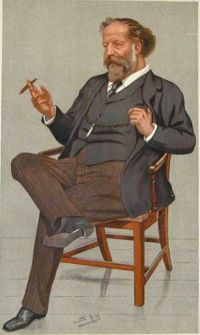
Portrait of Émile Zola Émile Zola,  The Fête At Coqueville

“ The following day Coqueville, in rising, found the sun already high above the horizon. The air was softer still, a drowsy sea under a clear sky, one of those times of laziness when it is so good to do nothing. It was a Wednesday. Until breakfast time, Coqueville rested from the fête of the previous evening. Then they went down to the beach to see.
That Wednesday the fish, the Widow Dufeu, M. Mouchel, all were forgotten. La Queue and Rouget did not even speak of visiting their jambins. Toward three o’clock they sighted some casks. Four of them were dancing before the village.
”
Source: Gutenberg

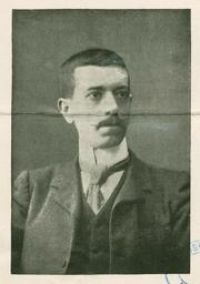
Portrait of Émile Zola Émile Zola,  The Fête At Coqueville

“ Coqueville is a little village planted in a cleft in the rocks, two leagues from Grandport. A fine sandy beach stretches in front of the huts lodged half-way up in the side of the cliff like shells left there by the tide. As one climbs to the heights of Grandport, on the left the yellow sheet of sand can be very clearly seen to the west like a river of gold dust streaming from the gaping cleft in the rock ”
Source: Gutenberg

Various,  Short story classics (Foreign)… (1907)

“ No more curé than mayor. All the authorities, even religion itself had vanished. Coqueville abandoned, slept without a breath, without a dog, without a cat. Not even a fowl; the hens had taken themselves off. Nothing, a void, silence, a leaden sleep under the great blue sky.
Parbleu! It was no wonder that Coqueville brought no more fish! Coqueville had moved away. Coqueville was dead. He must notify the police. The mysterious catastrophe exalted M. Mouchel, when, with the idea of descending to the beach, he uttered a cry. In the midst of the sands, the whole population lay stretched.
”
Source: Gutenberg

Get perspective with Kwize: daily news enlightened by great literature