Dutch East India Company

Definition and stakes

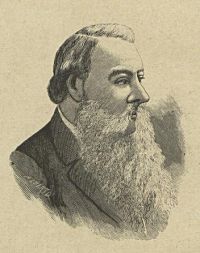
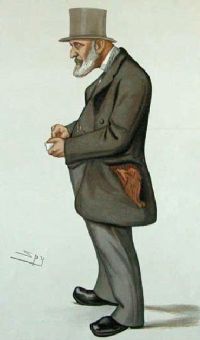
Portrait of James Edwin Thorold Rogers James Edwin Thorold Rogers,  The Story of Nations - Holland… (1886)

“ Only wealthy joint-stock companies could equip armed merchantmen, build forts and factories, and sustain by arms the settlements which they had made. To allow intruders, after such outlay was incurred, might be chivalrous, but was not, according to the ideas of the time, at all business-like. But in the end, settlements of this kind for mere business purposes are never successful. The Dutch East India Company became like the English company, an empire, with conquests, with revenues derived from taxes, with the mechanism of government, with rulers and subjects. ”
Source: Wikisource

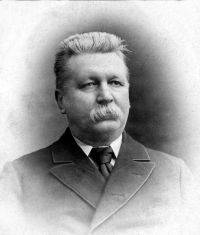
Sir Thomas Stamford Raffles,  The History of Java, v. 1-2

“ To those who are acquainted with the manner in which the affairs of the Dutch East-India Company were managed abroad, there will perhaps be no difficulty in laying rather at the door of the colonists, than of the nation, the crime of maintaining a commercial monopoly, at such a dreadful expence of lives as resulted from confining the European population within the narrow walls of this unhealthy city. ”
Source: Gutenberg

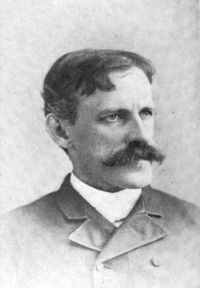
Frank Chamberlain,  Hudson Tercentenary

“ The Dutch West India Company, modeled after the Dutch East India Company, having powerful fleets, sailing along the coasts of South America and the West Indies, preying on the Spanish commerce, capturing their vessels and cargoes and amassing wealth thereby, sought to induce men of wealth, daring, and ambition to relieve them of the undertaking of settling and developing the New Netherlands, which, instead of a source of revenue, had become a burden. ”
Source: Gutenberg

Get perspective with Kwize: daily news enlightened by great literature