Earl of Albemarle

Definition and stakes

1911 Encyclopædia Britannica, Volume 1… (1911)

He became page to William III., accompanied him to England in 1688, and was made groom of the bedchamber and master of the robes in 1695. On the 10th of February 1696/7 he was created earl of Albemarle, Viscount Bury and Baron Ashford. In 1700 William gave him lands of enormous extent in Ireland, but parliament obliged the king to cancel this grant, and William then bestowed on him £50,000. The same year he was made a knight of the Garter. Meanwhile he had served both with the English and Dutch troops, was major-general in 1697, colonel of several regiments and governor of Bois-le-Duc.
Source: Wikisource

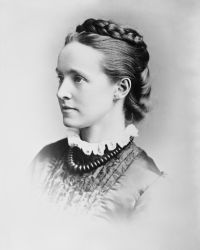
Portrait of Millicent Garrett Fawcett Millicent Garrett Fawcett Life of Her Majesty Queen Victoria (1895)

The Duke of Wellington, even though he was an aristocrat by birth, never acquired the power of grasping the enormous importance of precedence and etiquette. When the Earl of Albemarle, who, as Master of the Horse, was extremely sensitive about his right of riding in the Queen's carriage on State occasions, made himself rather troublesome on the subject, the Duke, who was appealed to, said: "The Queen can make Lord Albemarle sit at the top of the coach, or under the coach, behind the coach, or wherever else Her Majesty pleases."
Source: Wikisource

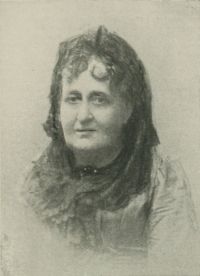
Portrait of Grace Greenwood Grace Greenwood Queen Victoria, her girlhood and womanhood

The Earl of Albemarle, who was her playmate in childhood, his grandmother being her governess, relates that one time when they had the Prince Regent to lunch, the chop came up spoiled, and it was found that Her Royal Highness had descended into the kitchen, and, to the dismay of the cook, insisted on broiling it. Albemarle adds that he, boy-like, taunted her with her culinary failure, saying: "You would make a pretty Queen, wouldn't you?"
Source: Gutenberg

Get perspective with Kwize: daily news enlightened by great literature