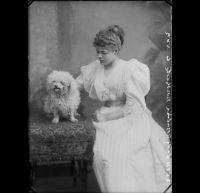
Earl of Devonshire

Definition and stakes

Portrait of Rosalind Northcote Rosalind Northcote Devon, Its Moorlands, Streams and Coasts

On the third Day the Queen made a great Banquet for the King and those who had justed, and after the Banquet she gave the Chief Prize to the King, the second to the Earl of Essex, the third to the Earl of Devonshire, and the Fourth to the Marquess of Dorset. Then the Heralds cried aloud, My Lords, For your noble Feats in Arms, God send you the Love of the Ladies whom you most admire.'
The next year the Earl of Devonshire died, and was succeeded by his son, Henry, who for a time was high in the favour of his royal cousin.
Source: Gutenberg

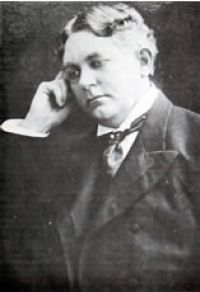
Portrait of William Eleroy Curtis William Eleroy Curtis One Irish Summer

It was a cheerful change to find a castle without a scar or a crumbling stone and all the modern improvements at Riding House, the Irish estate of the late Earl of Devonshire. He was one of the wealthiest, the ablest, and the most influential of the British nobility, and a conservative leader in the House of Lords, and died, universally lamented, a year or so ago.
Source: Gutenberg

Hugh Chisholm 1911 Encyclopædia Britannica, Volume 8… (1911)

William Cavendish, 1st duke of Devonshire (1640–1707) , English statesman, eldest son of the earl of Devonshire last mentioned, was born on the 25th of January 1640. After completing his education he made the tour of Europe according to the custom of young men of his rank, being accompanied on his travels by Dr Killigrew. On his return he obtained, in 1661, a seat in parliament for Derbyshire, and soon became conspicuous as one of the most determined and daring opponents of the general policy of the court.
Source: Wikisource

Get perspective with Kwize: daily news enlightened by great literature