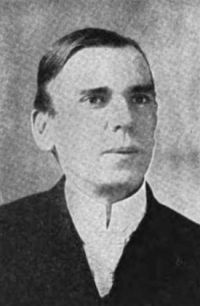
Elizabeth Barrett Browning (1806–1861), a leading Victorian poet, is celebrated for her lyrical intensity, intellectual energy, and commitment to social reform. Her work, ranging from the heartfelt sonnets of How Do I Love Thee? to the sweeping narrative of Aurora Leigh, merges personal feeling with wider themes of gender, art, and ethics. While her contemporaries, such as Robert Browning, admired her passion, critics like Arthur Symons remarked on her "intellectually restless" verse, combining fervor with philosophical depth.
Her life—shaped by illness, a secret marriage, and exile in Italy—imbued her writing with a poignant sense of fragility and strength. Scholars such as Elizabeth Cady Stanton praised her as a woman of "rarest genius," whose influence continues through her husband’s efforts to preserve her writings and the extensive archival holdings of the Armstrong Browning Library.
 Elizabeth Barrett Browning,
The Complete Works of Mrs. E. B. Browning
(1901)
Elizabeth Barrett Browning,
The Complete Works of Mrs. E. B. Browning
(1901)