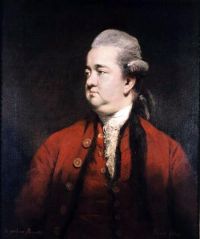
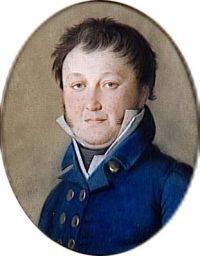
Emperor Napoleon III

Definition and stakes

comte de Emmanuel-Auguste-Dieudonné Las Cases,  Memoirs of the life, exile, and conversations of the Emperor Napoleon…

“ Napoleon knows no party; no prejudice attaches to his administration. All opinions, all sects, all talents, form themselves in a group about him; a new order of things commences.
The nation recovers breath, and blesses him; the people of other states admire him; kings respect him; every one is happy,—every one fells himself once more honoured in being a Frenchman.
Shortly, he is raised to the throne; he becomes Emperor. Every one knows the rest. Every one knows with what lustre, with what power, he dignified his crown.
”
Source: Gutenberg

comte de Emmanuel-Auguste-Dieudonné Las Cases,  Memoirs of the life, exile, and conversations of the Emperor Napoleon…

“ The Emperor would not listen to such a suggestion. He might, doubtless, by dint of speed or disguise, have gained Brest, Nantes, Bordeaux, or Toulon, and in all probability have reached America; but he conceived that either disguise or flight would be derogatory from his dignity. He thought himself bound to prove to all Europe his full confidence in the French people, and their extreme attachment to him, by passing through his dominions at such a crisis, merely in the quality of a private man, and unattended by any escort. ”
Source: Gutenberg

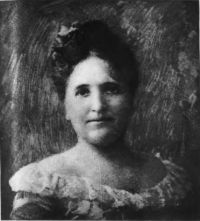
Portrait of Helen Leah Reed Helen Leah Reed,  Napoleon's Young Neighbor (1907)

“ Looking at Napoleon now, we must admit that he has become an autocrat. Yet he is not a despot in the ordinary sense. Though he may like power in itself, for what it brings to him, he cares still for the prosperity of France. The country needs his strong guidance. Outside of France he has enemies on all sides. While he does not admit it, things are against him in Spain; and then, as if losing his head, he decides to march into Russia. The Emperor of Russia is now his bitter enemy. ”
Source: Wikisource

Get perspective with Kwize: daily news enlightened by great literature