Everlasting Gospel

Definition and stakes

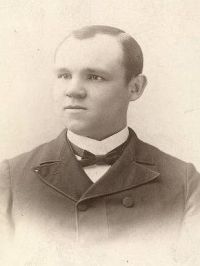
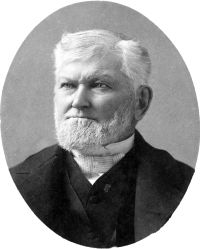
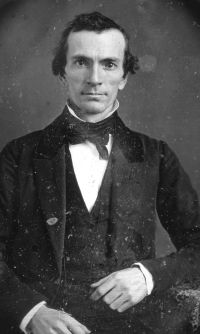
Portrait of Orson F. Whitney Orson F. Whitney,  Saturday Night Thoughts

“ For All Time and for All Men.—The Everlasting Gospel does not belie its name. It is not of any one time nor of any one place. Stretching from eternity to eternity, it encompasses past, present and future in its all-embracing fold. Neither is it for the benefit of any particular class, to the exclusion of other classes. It is for all men, and was made simple and plain that all might understand it, that its appeal might be universal. No creed comprehensible only to a few, no religion that mystifies the many, can by any possibility represent Him who died that the whole world might live. ”

Source: Gutenberg

Edward Partridge,  Latter Day Saints' Messenger and Advocate…

“ For if you admit John's declaration that the gospel is everlasting, or in other words, that he saw in the last days an angel flying through the midst of heaven, having the everlasting gospel to preach to all nations, kindreds, tongues and people, it will prove that there is such a thing as the everlasting gospel, and if so, is it not the gospel of God? ”
Source: Wikisource

Portrait of John Taylor John Taylor,  Journal of Discourses — Volume 13…

“ What is meant by the everlasting Gospel? I know that some people think there was no Gospel until Jesus came; but it is a great mistake. Adam, Noah, Abraham, and Moses had the Gospel; and when Jesus came he came to offer himself a sacrifice for the sins of the world, and to bring back the Gospel which the people had lost. "Well," says one, "do you mean to affirm that the men you have just named had the Gospel?" I do, and hence it is called the everlasting Gospel. "How do you know?" Why, the Scriptures say the Gospel held the keys of the mysteries of the revelation of God. ”
Source: Wikisource

Get perspective with Kwize: daily news enlightened by great literature