Fort Pillow

Definition and stakes

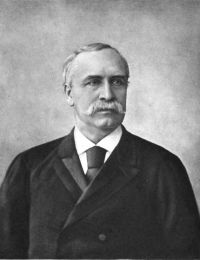
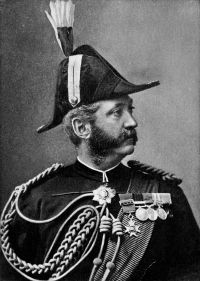
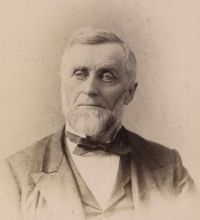
Portrait of Charles Carleton Coffin Charles Carleton Coffin,  My Days and Nights on the Battle-Field

“ There were loop-holes through the timbers for the riflemen. The pilot-house was protected by iron plates. They joined the fleet at Fort Pillow.
The river is very narrow in front of the fort,—not more than a third of its usual width. It makes a sharp bend. The channel is deep, and the current rushes by like a mill-race. The Tennessee shore was lined with batteries on the bluff, which made it a place much stronger than Columbus or Island No. 10. But when General Beauregard was forced to evacuate Corinth, the Rebels were also compelled to leave Fort Pillow.
”
Source: Gutenberg

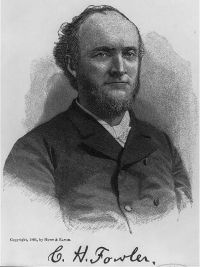
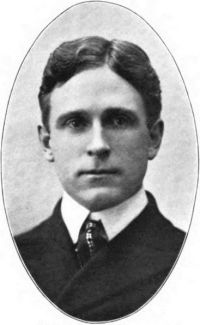
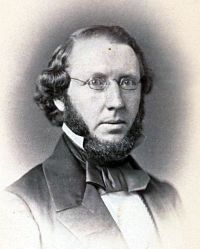
Portrait of Daniel W. Gooch Daniel W. Gooch,  Reports of the Committee on the Conduct of the War

“ Of the men, from 300 to 400 are known to have been killed at Fort Pillow, of whom, at least, 300 were murdered in cold blood after the post was in possession of the rebels, and our men had thrown down their arms and ceased to offer resistance. Of the survivors, except the wounded in the hospital at Mound City, and the few who succeeded in making their escape unhurt, nothing definite is known; and it is to be feared that many have been murdered after being taken away from the fort. ”
Source: Gutenberg

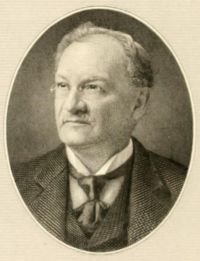
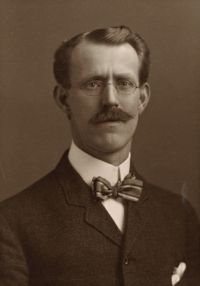
Portrait of Henry Villard Henry Villard,  Memoirs of Henry Villard (1904)

“ The fleet, aided by a brigade of Indiana infantry regiments, had been besieging Fort Pillow ever since the reduction of Island No. 10. The fort was constructed by the rebels for the defence of the Mississippi on its left bank at the so-called Chickasaw Bluffs, about sixty-five miles above Memphis. The “siege” consisted altogether of an exchange of heavy shot between the fort and the fleet. On the morning of June 5, it was discovered that the rebels had abandoned the fort; this step being the logical sequence of the rebel retreat from Corinth. ”
Source: Wikisource

Get perspective with Kwize: daily news enlightened by great literature