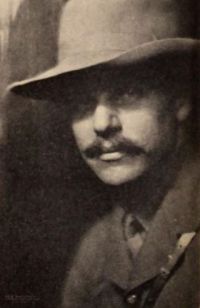
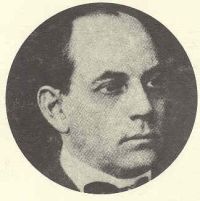
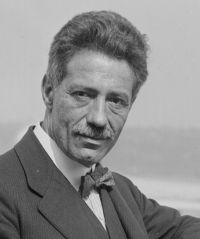
Shrapnel, named after Lieutenant-General Henry Shrapnel, refers to anti-personnel artillery shells designed to scatter multiple projectiles over a target area, relying on speed rather than explosive power. Authors such as Maurice Genevoix depicted its deadly effectiveness in World War I, describing the "hiss" of bullets striking the earth, while F.
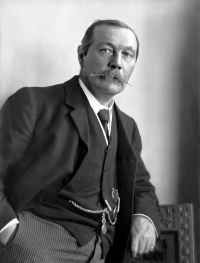
Britten Austin evoked its chaotic impact as "fountains of dark smoke and darker objects" engulfing advancing troops. Arthur Conan Doyle and others emphasized its continued use in aerial and ground combat, underscoring its influence on wartime experiences. Though replaced by high-explosive shells, shrapnel's legacy persists in both historical accounts and contemporary applications of its fragmentation principles.