Fylde

Definition and stakes

John Porter,  History of the Fylde of Lancashire

“ We can scarcely conceive, when gazing on the indolent deep in its placid mood, that at any time it could have been possessed with such a demon of fury and destruction as to swallow up broad fields, acres upon acres, of the foreland of the Fylde, and in its blind anger sweep away whole villages, levelling the house walls and uprooting the very foundations, so that no trace or vestige of their former existence should remain. ”
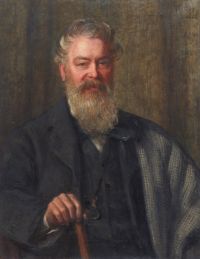
Source: Gutenberg

John Porter,  History of the Fylde of Lancashire

“ The Saxon inhabitants of the small villages in the Fylde who were engaged in agriculture had no knowledge of any manure beyond marl, which they mixed with lighter and finer soils; nor were their farm-lands cultivated all at one time, but a portion only of the estate was subjected to the action of the plough, and when its fertility had been thoroughly exhausted, the remainder was tilled and brought into service, the first plot being allowed to lie fallow for a few years until its productive powers had been renewed. ”
Source: Gutenberg

John Porter,  History of the Fylde of Lancashire

“ Shortly after the passing of this act, the following twenty-three townships of the Fylde were banded together for parochial purposes, and denominated the Fylde Union:—Bispham-with-Norbreck, Bryning-with-Kellamergh, Carleton, Clifton-with-Salwick, Little Eccleston-with-Larbrick, Elswick, Freckleton, Greenhalgh-with-Thistleton, Hardhorn-with-Newton, Kirkham, Layton-with-Warbreck, Lytham, Marton, Medlam-with-Wesham, Newton-with-Scales, Poulton, Ribby-with-Wrea, Singleton, Thornton, Treales, Roseacre, Wharles, Warton, Weeton-with-Preese, and Westby-with-Plumptons. ”
Source: Gutenberg

Get perspective with Kwize: daily news enlightened by great literature