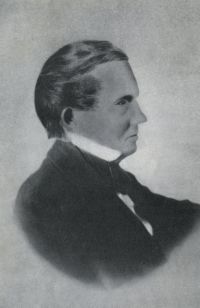
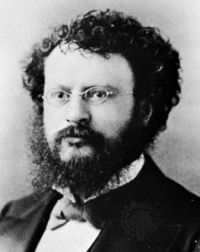
Gerrit Smith (1797–1874) was an American abolitionist, politician, and philanthropist renowned for his radical stance against slavery and his significant financial support for social reform. A wealthy landowner and public intellectual, he advocated for immediate emancipation, supported the Underground Railroad, and financed John Brown’s Harpers Ferry raid.
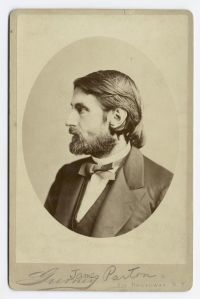
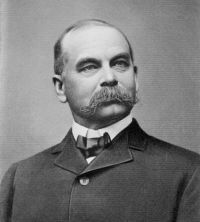
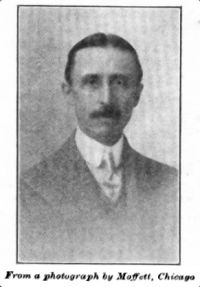
Authors such as James Parton criticized his generosity as misguided, while others, like De Alva Stanwood Alexander, emphasized his ties to leading reformers. His legacy, as noted in Popular Science Monthly, highlights his contradictory role as both a generous benefactor and a controversial figure in 19th-century abolitionism. Smith’s life encapsulates the conflict between idealism and practicality in the struggle for equality.