Harold II of England

Definition and stakes

Baron Edward Bulwer Lytton Lytton,  Harold : the Last of the Saxon Kings…

“ But if Harold had ruled no earldom at all, he had still been immeasurably the first man in England—so great was the confidence reposed in his valour and wisdom. He was of that height in himself, that he needed no pedestal to stand on.
The successor of the first great founder of a House succeeds to more than his predecessor's power, if he but know how to wield and maintain it. For who makes his way to greatness without raising foes at every step?
”

Source: Gutenberg

Baron Edward Bulwer Lytton Lytton,  Harold : the Last of the Saxon Kings…

“ When the invader is in our land, the war is with a nation, not a king. And, by the very offer, this Norman Count (who cannot even speak our tongue) shows how little he knows of the laws, by which, under our native kings, we have all as great an interest as a king himself in our Fatherland."
"Thou hast heard the answer of England from those lips, Sire de Graville," said Harold: "mine but repeat and sanction it. I will not give the crown to William in lieu for disgrace and an earldom. I will not abide by the arbitrement of a Pope who has dared to affix a curse upon freedom.
”
Source: Gutenberg

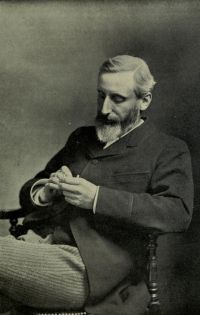
Portrait of Charles Dickens Charles Dickens,  A Child's History of England

“ Harold was now King all over England, though it is doubtful whether the Archbishop of Canterbury (the greater part of the priests were Saxons, and not friendly to the Danes) ever consented to crown him. Crowned or uncrowned, with the Archbishop’s leave or without it, he was King for four years: after which short reign he died, and was buried; having never done much in life but go a hunting. He was such a fast runner at this, his favourite sport, that the people called him Harold Harefoot. ”
Source: Gutenberg

Get perspective with Kwize: daily news enlightened by great literature