Helena of Adiabene

Definition and stakes

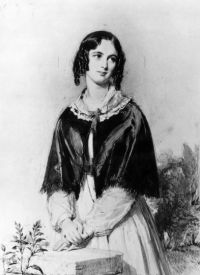
Portrait of Flavius Josephus Flavius Josephus Antiquities of the Jews

How Helena The Queen Of Adiabene And Her Son Izates, Embraced The Jewish Religion; And How Helena Supplied The Poor With Corn, When There Was A Great Famine At Jerusalem.
1. About this time it was that Helena, queen of Adiabene, and her son Izates, changed their course of life, and embraced the Jewish customs, and this on the occasion following: Monobazus, the king of Adiabene, who had also the name of Bazeus, fell in love with his sister Helena, and took her to be his wife, and begat her with child.
Source: Gutenberg

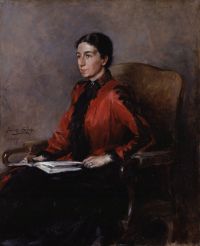
Portrait of Mrs. Humphry Ward Mrs. Humphry Ward Helena

There were lights within it, and he pictured Helena at her glass, about to slip into some bright dress or other, which would make her doubly fair. Meanwhile from the rose of the sunset, rosy lights were stealing over the water and faintly glorifying the old house and its spreading gardens. An overpowering sense of youth—of the beauty of the world—of the mystery of the future, beat through his pulses. The coming dance became a rite of Aphrodite, towards which all his being strained.
Source: Gutenberg

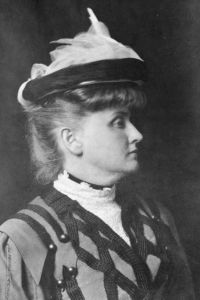
Portrait of Cale Young Rice Cale Young Rice Charles Di Tocca: A Tragedy

Fair Helena!' Pluck me, wench, but the lord Antonio knows sound nuts! And sly! Why hear you now! he gets the duke to seize on the maid! The fox! The rat! Have I not heard him in his chamber these [ 30 ] thirty nights puff her name out his window with as many honeyed drawls of passion as—as—as—June has buds? 'Sweet Helena!'—la! 'Fair Helena!'—O! 'Dear Helena! my rose! my queen! my sun and moon and stars! Thy kiss is still at my lips, thy breast beats still on mine! my Helena!'—Um! Oh, 'tmust be a rare damsel. I'll make a sluice between her purse and mine, wench; do you hear?"
Hæmon: Well—well?
Source: Gutenberg

Get perspective with Kwize: daily news enlightened by great literature