Henry of Condé

Definition and stakes

Frances Minto Dickinson Elliot Old Court Life in France, vol. 1…

The more bitterly they quarrelled, the more deep and dangerous became Condé’s enmity to Henry. Disloyalty was the tradition of his race, rebellious practices with Spain the habit of his house. We have seen how a Condé was ready to usurp the throne under pretence of a Regency, during the conflict with the Huguenots at Amboise. His son, “the great Condé,” is by-and-by to head the standard of revolt, and at the head of Spanish troops to bring France to the brink of ruin.
Source: Gutenberg

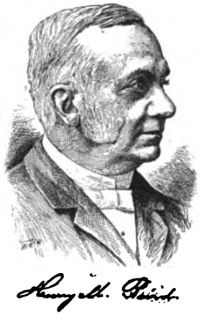
Portrait of Henry Martyn Baird Henry Martyn Baird History of the Rise of the Huguenots…

On the other hand, Henry of Condé, in no way abashed, [1009] declared "that he could not believe that his royal cousin intended to violate a promise confirmed by so solemn an oath. As to fealty, he had always been an obedient subject of the king, and would ever be. Touching his religion, if the king had given him the exercise of its worship, God had given him the knowledge of it
Source: Gutenberg

Portrait of Henry Martyn Baird Henry Martyn Baird History of the Rise of the Huguenots…

Having narrowly escaped falling into the hands of their treacherous enemies, and finding themselves compelled once more to take up arms in defence of their own lives and the liberties of their fellow-believers, the Prince of Condé and Admiral Coligny resolved to institute a vigorous contest. A single glance at the situation, the full dangers of which were now disclosed by the tidings coming from every quarter, was sufficient to convince them that in a bold and decided policy lay their only hope of success.
Source: Gutenberg

Get perspective with Kwize: daily news enlightened by great literature