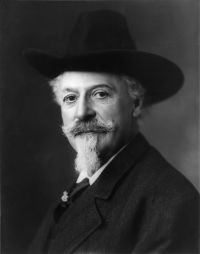
Indians of the Americas

Definition and stakes

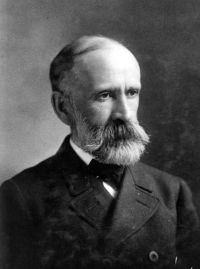
Robert Anderson Wilson Mexico and Its Religion

But the characteristics of the North American Indians are still visible; they still exhibit the contradictory traits of Indian character—cruelty and kindness, shyness and self-possession; enduring the greatest trials without a murmur, and suffering oppression without complaint; delighting as much as their northern brethren in tawdry exhibitions, in traditions of the marvelous, they seem to carry hidden in their inmost soul an idea that the time will come when they may take vengeance of the despoilers of their race.
Source: Gutenberg

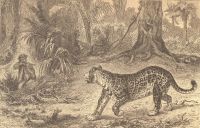
Portrait of Thomas Belt Thomas Belt The Naturalist in Nicaragua

But they have been born and bred where they live, and knowing how strong is the force of custom and how attached the Indians are to their homes, I do not wonder that they stay from generation to generation on this bleak range. I can imagine that if removed to the lowlands they would sigh for their mountain home, to smell the fragrance of the pine trees, and to hear once more the wind whistling through their branches. I have already noticed how the Indians cling generation after generation to the same spot, even when a short removal would be manifestly to their advantage.
Source: Gutenberg

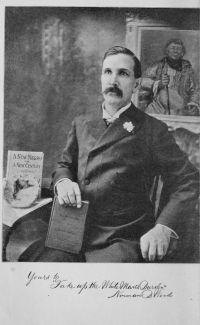
Don Watson Indians of the Mesa Verde

When the white man finally arrived in 1492, there were fifteen or twenty million Indians in North and South America. Some still lived by hunting, some by fishing, others by gathering the seeds, roots and other plant products offered by nature. But millions of the Indians were highly developed agricultural people. The Pueblo Indians of the Southwest, the Indians of the New England states whom our first colonists met, the Mayas and Aztecs of Mexico, the Incas of South America, and many others had made surprising progress in a comparatively short time.
Source: Gutenberg

Get perspective with Kwize: daily news enlightened by great literature