Isabella II of Spain

Definition and stakes

Great Men and Famous Women. Vol…

But the same people who had said "Isabella shall be the heir-apparent," said now "Isabella shall rule over us," and conquered. The reign of Isabella, therefore, dates from 1479, when she was left in undisputed possession of her throne, rather than from 1474, when she wore her crown for the first time in Segovia. The same year that brought peace to the Queen of Castile elevated Ferdinand to the throne of Aragon.
No more important epoch marks the history of Spain than the union of the crowns of Castile and Aragon; it meant the end of petty principalities and powers, it meant united Spain.
Source: Gutenberg

conte Baldassarre Castiglione The Book of the Courtier (1901)

Unless the people of Spain,—lords, commons, men and women, poor and rich,—have all agreed to lie in praise of her, there has not been in our time on earth a brighter example of true goodness, of lofty spirit, of wisdom, of piety, of purity, of courtesy, of liberality,—in short, of every virtue,—than Queen Isabella; and although the fame of that illustrious lady is very great in every place and among every nation, those who lived in her company and were witness to her actions, do all affirm that this fame sprang from her virtue and merits.
Source: Gutenberg

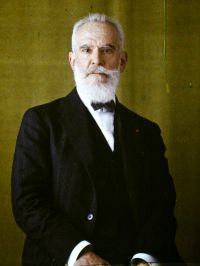
Portrait of William Hickling Prescott William Hickling Prescott The History of the Reign of Ferdinand and Isabella the Catholic…

Spain, as we have seen, felt the general impulse. Under the glorious rule of Ferdinand and Isabella, we have beheld her, emerging from chaos into a new existence; unfolding, under the influence of institutions adapted to her genius, energies of which she was before unconscious; enlarging her resources from all the springs of domestic industry and commercial enterprise; and insensibly losing the ferocious habits of a feudal age, in the refinements of an intellectual and moral culture.
Source: Gutenberg

Get perspective with Kwize: daily news enlightened by great literature