Ixtlilxochitl

Definition and stakes

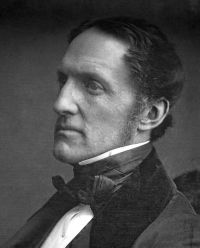
Appletons' Cyclopædia of American Biography (1892)

“ With a powerful army he entered the kingdom again, and though Ixtlilxochitl was prepared to resist him, he was surprised in a wood where he was hunting. Immediately he and those who accompanied him were put to death, the royal insignia were carried to Atzcapotzalco, and Tezozomoc was crowned king of Texcoco. Ixtlilxochitl's son witnessed from a tree the death of his father and swore to avenge it, as he did, killing in 1531 Tezozomoc's son and successor, Maxtla. ”
Source: Wikisource

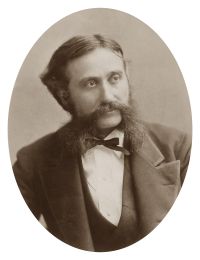
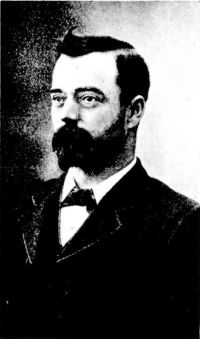
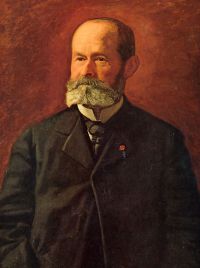
Portrait of Daniel G. Brinton Daniel G. Brinton,  Essays of an Americanist

“ Those given in his Historia Chichimeca are by no means the same as those enumerated in his Relaciones Historicas (Kingsborough, Mexico, Vol. ix, contains all of Ixtlilxochitl’s writings) . Entirely different from both is the list in the Anales de Cuauhtitlan. How completely euhemeristic Ixtlilxochitl is in his interpretations of Mexican mythology is shown by his speaking of the two leading Nahuatl divinities Tezcatlipoca and Huitzilopochtli as “certain bold warriors” (“ciertos caballeros muy valerosos.” Relaciones Historicas, in Kingsborough, Vol. ix, p. 326) . ”
Source: Gutenberg

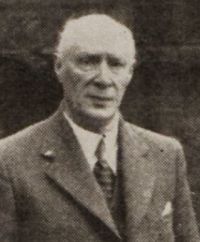
Portrait of Lewis Spence Lewis Spence,  The gods of Mexico (1923)

“ Regarding Ixtlilxochitl’s version of the creation myth, that the creator Tloque Nahuague, the maker of the planets, brought into being a man and a woman from whom all human beings are descended, we have no parallel in Mexican myth, nor, indeed, in American myth, if we accept that of [48] the creation of man current in ancient Peru, and it is probable that, so far as his version of the creation of humanity is concerned, Ixtlilxochitl had encountered a myth which was either of relatively late origin, or had arisen out of the ideas engendered by contact with Christianity. ”
Source: Gutenberg

Get perspective with Kwize: daily news enlightened by great literature