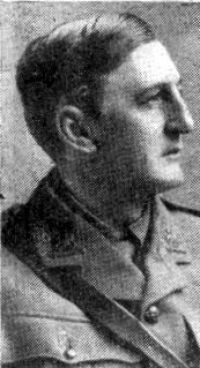
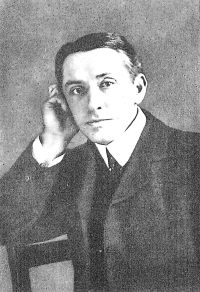
John Drake

Definition and stakes

Letitia MacColl Elton,  The Story of Sir Francis Drake (1906)

“ They were not idle during these months, for the ship and fort were left in charge of John Drake, while Captain Drake and John Oxenham went roving in the pinnaces. They had many adventures, being in some peril in their small boats, and always at the mercy of the weather, while at one time they were almost starving. Some of the men got ill with the cold and died, for they had little shelter on board. When they got back to the ships they found all things in good order; but they received the heavy news of the death of John Drake, the Captain’s brother, a young man of great promise. ”
Source: Gutenberg

Letitia MacColl Elton,  The Story of Sir Francis Drake (1906)

“ The old writer says that the story of his life shows how “so mean a person righted himself upon so mighty a prince. The one was in his own conceit the mightiest monarch in the world, the other only an English captain.”
Drake now made two voyages that really prepared the way for his great and famous one to Nombre de Dios. He probably paid his expenses by plundering ships or selling slaves. On the 24th day of May 1572, Drake started with his ship, the Pascha, of Plymouth, and the Swan, of Plymouth, in which his brother, John Drake, was captain. They had on board seventy-three men and boys.
”
Source: Gutenberg

William MacOubrey,  Drake; or, the Transfer of the Trident…

“ Even in my sleep my country grapples her; always triumphant—fiercer—stronger every time. The death struggle wakes me—I see it clearly—Spain falls—and England takes her place. Here comes our canoe of observation, her low black outline scarce distinguishable from a ripple of the ocean (the boat comes alongside, John Drake and Oxenham, with an Indian, climb upon the deck) Well Brother, I trust a good report?
John Drake. The course is clear. Seize the batteries and take what you like.—There’s not an armed ship in the harbour.
”
Source: Gutenberg

Get perspective with Kwize: daily news enlightened by great literature