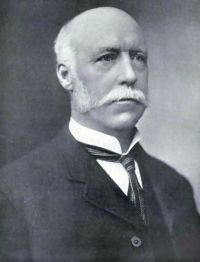
John Hancock

Definition and stakes

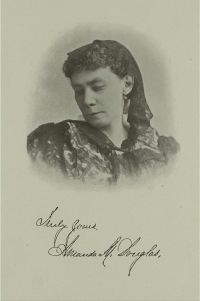
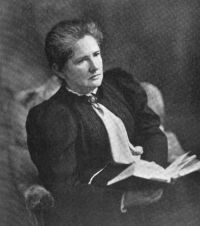
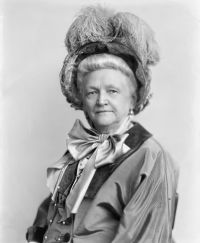
Portrait of Mrs. John A. Logan Mrs. John A. Logan,  The Part Taken by Women in American History (1912)

“ Hancock was one of those who, by her courtesies to the officers and ladies of the British army when Burgoyne was under the convention of surrender, made Cambridge a brilliant center of hospitality and fashion. She was the daughter of Edmund Quincy, of Massachusetts, and was born in 1750. At the age of twenty-four she married John Hancock, one of the great men of the age, and, aided by the lustre of his fortunes, she became a leader in society, filling her station with rare dignity and grace. ”
Source: Wikisource

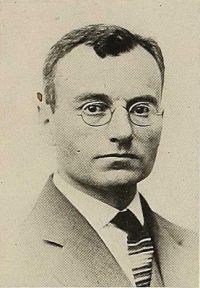
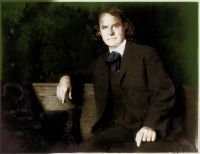
Portrait of Elbert Hubbard Elbert Hubbard,  Little Journeys to the Homes of the Great - Volume 03

“ He let it be known that Hancock was the richest man in New England, perhaps in America, and a power in every emergency.
John Hancock was given the office of presiding officer, the place of honor.
The thought never occurred to him that the man on the floor is the man who acts, and the individual in the chair is only a referee, an onlooker of the contest. When a man is chosen to preside he is safely out of the way, and no one knew this better than that clear-headed man, wise as a serpent, Samuel Adams.
”
Source: Gutenberg

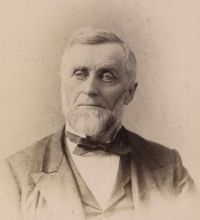
Portrait of Nathaniel Hawthorne Nathaniel Hawthorne,  The Whole History of Grandfather's Chair

“ Remember him, my children, as one of the strong men of our country.”
“Here is one whose looks show a very different character,” observed Laurence, turning to the portrait of John Hancock. “I should think, by his splendid dress and courtly aspect, that he was one of the king’s friends.”
“There never was a greater contrast than between Samuel Adams and John Hancock,” said Grandfather. “Yet they were of the same side in politics, and had an equal agency in the Revolution. Hancock was born to the inheritance of the largest fortune in New England. His tastes and habits were aristocratic.
”
Source: Gutenberg

Get perspective with Kwize: daily news enlightened by great literature