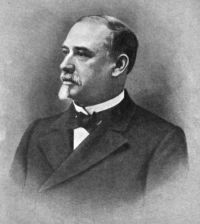
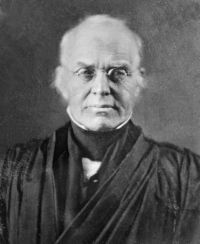
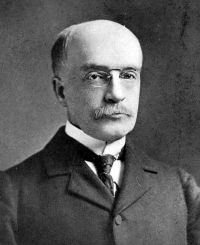
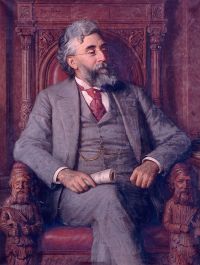
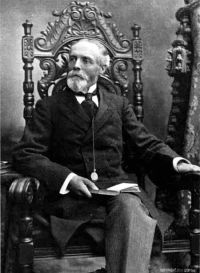
The Continental Congress was a series of legislative assemblies that served as the provisional government of the Thirteen Colonies during the American Revolutionary War and in the years that followed. Initially assembled in 1774 to address colonial concerns, it developed into a central body for organizing opposition, proclaiming independence, and forming the framework of the emerging nation’s governance. Historians such as Westel Woodbury Willoughby highlighted its role in exercising national authority through military forces, taxation, and diplomatic agreements, while Walter Raleigh Houghton pointed out its dependence on national pride to bring together diverse colonies.
The transition from the Second Continental Congress to the Congress of the Confederation under the Articles of Confederation signified its move from wartime leadership to the establishment of a structured government, eventually setting the stage for the U.S. Constitution. Its legacy lies in connecting colonial solidarity with national sovereignty, as demonstrated by the Declaration of Independence and the ongoing discussions regarding federal power.
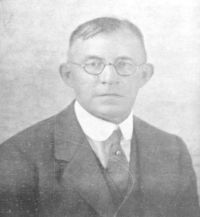 Westel Woodbury Willoughby,
Government and Administration of the United States
Westel Woodbury Willoughby,
Government and Administration of the United States