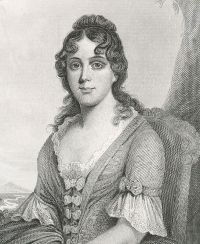
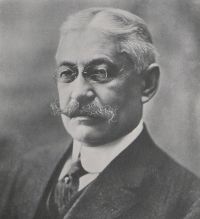
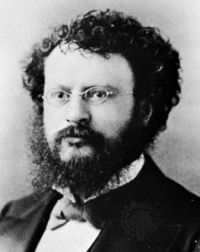
John Randolph of Roanoke (1773–1833), a Virginia politician and planter, was a pivotal yet contentious figure in early American politics, renowned for his fiery oratory and firm defense of states' rights and slavery. As a leader of the "Old Republicans," he championed the Principles of '98, advocating state sovereignty over federal authority. Authors like Sarah N. Randolph highlighted his complex legacy, noting his admiration for Martha Jefferson, while Albert J.
Beveridge emphasized his distinguished lineage. Emerson Hough portrayed him as a paradox—vitriolic yet principled—whose views on slavery and governance shaped debates on democracy and conservatism. His contradictions, from opposing abolition to emancipating his slaves in his will, reflect the tensions of his era, leaving a legacy that resonates in modern political thought.