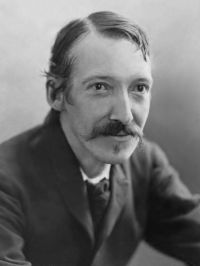
John Trumbull

Definition and stakes

Elizabeth Lounsbery,  The Mentor: American Miniature Painters…

“ John Trumbull was a patriotic American and a leader in the artistic and public life of his day, both in England and in America. His position was much more than that of a painter. His attitude toward painting was not one of complete and whole souled devotion. "I am fully sensible," he wrote at one time, "that the profession of painting as it is generally practised is frivolous, and unworthy a man who has talents for more serious pursuits. ”
Source: Gutenberg

Samuel Marion Tucker,  The Cambridge History of American Literature (1917)

“ The Boston Port Bill evoked from John Trumbull an Elegy on the Times (1775) , which uses the elegiac quartrains of Gray for satiric invective; but far more important is the same author’s McFingal, the most effective satire of its time. Trumbull was born in what is now Watertown, Connecticut, in 1750, and graduated from Yale in 1767 in the same class with Timothy Dwight. In 1772 he published his Progress of Dullness, a satire in Hudibrastic verse on the current educational system and the ignorance of the clergy which is still interesting. ”
Source: Wikisource

S. R. Koehler,  English Painters, with a Chapter on American Painters

“ Still more national importance attaches to JOHN TRUMBULL (1756—1843) , since he was an historic as well as a portrait-painter, took part in person as an officer in the American army in many of the events of the Revolution, and was intimately acquainted with most of the heroes of his battle scenes. America enjoys in this respect an advantage of which no other country can boast—that of having possessed an artist contemporaneous with the most important epoch in its history, and capable and willing to depict the scenes enacted around him. ”
Source: Gutenberg

Get perspective with Kwize: daily news enlightened by great literature