José Antonio Páez

Definition and stakes

Portrait of Bartolomé Mitre Bartolomé Mitre The Emancipation of South America

His army numbered 4,300 infantry and 200 cavalry, badly armed, but all resolute men.
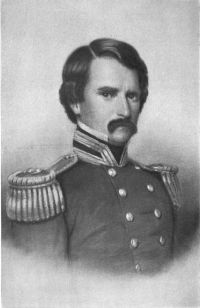
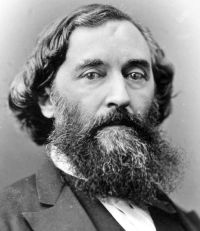
On the plains of Casanare the scattered groups of guerillas were organized by Paez into an army. José Antonio Paez was a native of Barinas, and was at this time twenty-six years old. He had served bravely throughout the campaign of the reconquest, but had never attracted special notice; now he was to show his great talents as a leader. He was a genuine Creole, of Caucasian race, with some mixture of native blood; a man of herculean strength, a breaker-in of wild horses, and an untiring swimmer.
Source: Gutenberg

Various The Atlantic Monthly, Volume 03…

This, we learn, is the guard of honor; the General is José Antonio Paez, little José Antonio who killed the highwayman and betook himself to cattle farming on the Plains! Now, however, he is the famous Llanero chieftain, favorite champion of Venezuela, brother-in-arms of Bolívar, who allows him, alone of all the military leaders, the privilege of an especial body-guard. Since 1810,—for five years,—he has been fighting constantly in his country's service, and has won himself fame while our eyes have been turned in other directions.
Source: Gutenberg

Various The Atlantic Monthly, Volume 03…

Louis Philippe of France invested him, in 1843, with the Grand Cordon of the Legion of Honor; and two years later, there arrived from Oscar of Sweden the Cross of the Military Order of the Sword.
But in 1850, and thenceforward, until 1858, José Antonio Paez trod the streets of New York as an exile from his native land.
General José T. Monágas was elected President of Venezuela in 1848, and created dissatisfaction by his course of action. Paez placed himself at the head of an insurrectionary movement against him, and, being defeated, was imprisoned in the city of Valencia.
Source: Gutenberg

Get perspective with Kwize: daily news enlightened by great literature