Katipunan

Definition and stakes

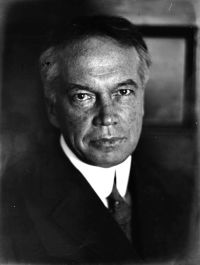
Portrait of Charles Edward Russell Charles Edward Russell,  The Hero of the Filipinos (1923)

“ With the news of the discovery of the Katipunan and the cruelties of the hysteria in high places that followed next, the revolution spread swiftly to the provinces. Cavite, Batangas, Zambales, Tarlac rose as the clans rose in Scotland; a remarkable fact, for here had been no preparation, and the Katipunan had not gone far beyond Manila walls. Nothing would seem to show more plainly that the psychology of the people had been all misread. At Rizal’s school he had noticed that the Spaniards deemed the natives submissive to kicks and insults when in reality wrath burned in the native heart. ”
Source: Gutenberg

Francis St. Clair,  The Katipunan; or, The Rise and Fall of the Filipino Commune

“ The conviction was strong among the Filipinos that they would not succeed in attaining anything by any other means than force. This being the case, the idea occurred to some Filipinos to found a system of masonry here. There were some lodges of the masonic order here, and the idea presented [231] itself to form a sort of political masonry, which was created and called the Katipunan. This Katipunan society was naturally a secret society and had, I think, about 400,000 members, principally in the Tagalog provinces and of the people of the valley of the Pasig River. ”
Source: Gutenberg

Get perspective with Kwize: daily news enlightened by great literature