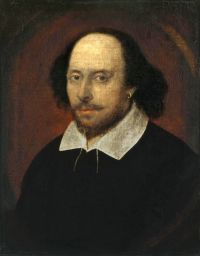
King George III of England

Definition and stakes

John Richard Green,  History of the English People, Volume VII

“ During the first ten years of his reign he managed to reduce government to a shadow, and to turn the loyalty of his subjects at home into disaffection. Before twenty years were over he had forced the American colonies into revolt and independence, and brought England to what then seemed the brink of ruin. Work such as this has sometimes been done by very great men, and often by very wicked and profligate men; but George was neither profligate nor great. He had a smaller mind than any English king before him save James the Second. ”
Source: Gutenberg

Lady Anne Hamilton,  Secret History of the Court of England…

“ That derogatory doctrine, however, which proclaims "the king can do no wrong," has proved the evil genius of liberty, and the very soul of despotism. George the Fourth ever made it his shield, and was content to let the odium of his actions fall upon his ministers. But his majesty should have recollected that a king of England is not king by hereditary right. The nation is not a patrimony. ”
Source: Gutenberg

Lady Anne Hamilton,  Secret History of the Court of England…

“ The nation, in general, supposed this to have arisen from his majesty's anxiety upon the fearful aspect of affairs, which was then of the most gloomy nature, both at home and abroad. Little, indeed, did the multitudes imagine the real cause; little did the private gentleman, the industrious tradesman, the worthy mechanic, or the labourer, think that their sovereign was living in splendid misery, bereft of the dearest object of his solicitude, and compelled to associate with the woman he all but detested!
Nature had not formed George the Third for a [37] king
”
Source: Gutenberg

Get perspective with Kwize: daily news enlightened by great literature