Kingdom of Castile

Definition and stakes

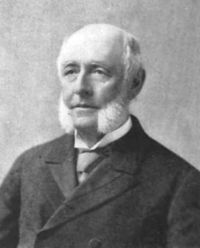
Hutton Webster Early European History

UNION OF CASTILE AND ARAGON, 1479 A.D. Meanwhile the separate Spanish kingdoms were coming together to form a nation. León and Castile in 1230 A.D. combined into the one kingdom of Castile, so named because its frontiers bristled with castles against the Moors. But the most important step in the making of Spain was the marriage of Ferdinand of Aragon to Isabella of Castile, leading in 1479 A.D. to the union of these two kingdoms.
Source: Gutenberg

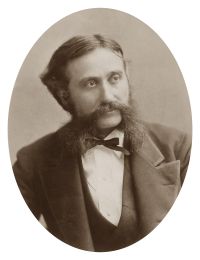
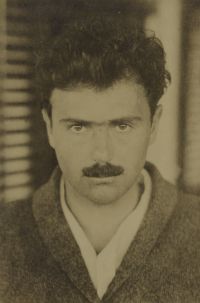
Portrait of Antonio de Trueba Antonio de Trueba The Cid Campeador: A Historical Romance

Castile is a kingdom which the most powerful monarchs envy, its people are as loyal as they are brave and warlike; the Castilians love you, and a courageous soul beats in your [Pg 307] breast. Leave your brothers and sisters in peaceful possession of their states, and enlarge your own by conquering, with the sword, and by the aid of the good cavaliers who surround you, infidel territories, with the possession of which Castile will become so great and redoubtable that powerful rulers will come to offer vassalage to you.
Source: Gutenberg

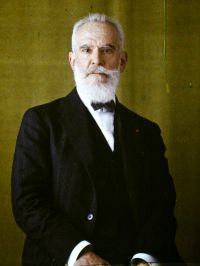
S. P. Scott History of the Moorish Empire in Europe… (1904)

For generations the principal adversary of Granada had been the kingdom of Castile, impoverished in resources, divided by faction, exhausted by warfare, weakened in authority. The union of the two great realms of the Peninsula brought into the contest the hardy population and the unimpaired vigor of Aragon. In Castile a great social and political revolution had been effected. The claims of the nobility, inconsistent with the dignity and the prerogatives of the crown, had been curtailed or abolished.
Source: Gutenberg

Get perspective with Kwize: daily news enlightened by great literature