Medina del Campo

Definition and stakes

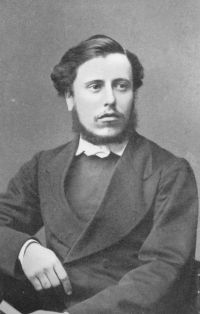
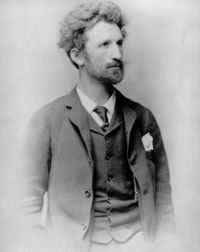
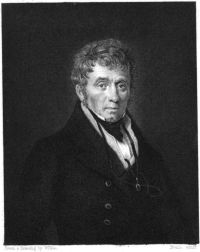
Portrait of George Borrow George Borrow,  The Bible in Spain, Vol. 1 [of 2…

“ Late in the afternoon we reached Medina del Campo, [291] formerly one of the principal cities of Spain, though at present an inconsiderable place. Immense ruins surround it in every direction, attesting the former grandeur of this “city of the plain.” The great square or market-place is a remarkable spot, surrounded by a heavy massive piazza, over which rise black buildings of great antiquity. We found the town crowded with people awaiting the fair, which was to be held in a day or two. ”
Source: Gutenberg

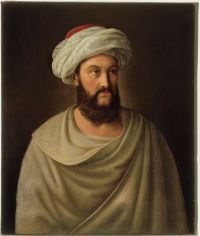
Portrait of George Borrow George Borrow,  The Bible in Spain, Vol. 1 [of 2…

“ The village of Arapiles is about four miles from Salamanca.
[287] Savage mules.
[290] “See the crossing! see what devilish crossing!” Santiguar is to make the sign of the cross, to cross one’s self. Santiguo is the action of crossing one’s self.
[291] As late as 1521, Medina del Campo was one of the richest towns in Spain. Long one of the favourite residences of the Castilian court, it was an emporium, a granary, a storehouse, a centre of mediæval luxury and refinement.
”
Source: Gutenberg

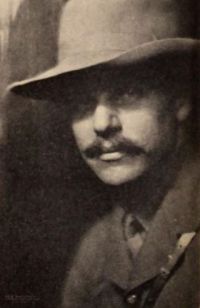
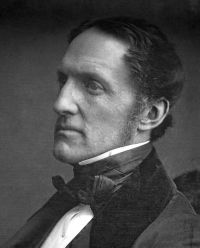
Portrait of William Hickling Prescott William Hickling Prescott,  History of the Conquest of Peru

“ He received no formal sentence, but he was imprisoned in the strong fortress of Medina del Campo, where he was allowed to remain for twenty years when in 1560, after a generation had nearly passed away, and time had, in some measure, thrown its softening veil over the past, he was suffered to regain his liberty.17 But he came forth an aged man, bent down with infirmities and broken in spirit,—an object of pity, rather than indignation. ”
Source: Gutenberg

Get perspective with Kwize: daily news enlightened by great literature