“ Jenny Prask had kept every intonation of her voice under her control. There was no hint of irony or triumph. She was a respectful lady's maid, frankly answering questions about her dead mistress. But she did not so successfully keep sentinel over her looks. She could not but glance from time to time at Harry Luttrell savouring his trouble and anxiety; and when she expressed her conviction that Joan could so easily clear up these mysteries, such a flame of hatred burnt suddenly in her eyes that it lit Martin Hillyard straight to the heart of her purpose. ”
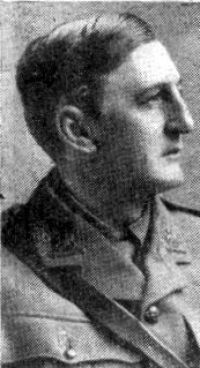
A. E. W. Mason
Summary
A. E. W. Mason’s The Summons (1915) is a novel of wartime intrigue and personal conflict, centering on Martin Hillyard, Harry Luttrell, and Joan Whitworth, whose intertwined fates unfold against the backdrop of duty and desire. Themes of suspense, sacrifice, and the tension between private emotions and public obligation permeate the narrative, as seen in the characters’ struggles with loyalty, the impact of war, and fleeting moments of clarity.
The story moves between England and Spain, blending romantic tension with the urgency of secret operations, culminating in a climax where time—marked by precise, pivotal moments—decides fates. Mason’s prose captures the interplay of personal turmoil and historical upheaval, framing The Summons as a meditation on the fragile balance between individual choice and collective fate.
Quotes from The Summons (A. E. W. Mason)
“ José Medina was king in this region. The party arrived in the afternoon of the twenty-sixth day of the month, all of the colour of saffron from the dust-clouds the car had raised, and Hillyard so stiff and bruised with the intolerable jolting over ruts baked to iron, that he could hardly climb down on to the ground. He slept that night amidst such a music of birds as he had never believed possible one country could produce. Through the night of the twenty-sixth he and José Medina watched; their lanterns ready to their hands. ”
“ Hillyard's face changed. He had the spark of the true wanderer within him. Even recollections of days long gone could blow it into clear, red flame. All the long glowing days on the hot stones of the water-side, the glitter of the Mediterranean purple-blue under the sun, the coming of night and the sudden twinkling of lights in the cave-dwellings above Almeria and across the bay from Aguilas, the plunge into the warm sea at midnight, the glorious evenings at water-side cafés when he had half a dozen coppers in his pocket; the good nature of the people! ”
