Legion of Honour

Definition and stakes

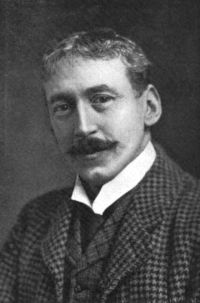
Portrait of Marie Belloc Lowndes Marie Belloc Lowndes Told in gallant deeds

It was a happy and a graceful act on the part of the French Government to bestow the Legion of Honour on the town of Liège, which, as was well said in the decree setting forth the honour, “was called upon to bear the first brunt of the German troops, and kept the invading army in check in a struggle which was as unequal as it was heroic.”
Every soldier worthy of the name not only respects, but heartily admires, a gallant, magnanimous foe.
Source: Gutenberg

Various Punch, or the London Charivari…

The coveted cross of the Legion of Honour comes to him before the end, and he wins the affection and confidence of his men—a soldier's highest prize. A deep religious conviction unclouded by superstition sustains his courage. He is a product of the French Catholic tradition at its best. He writes intelligently of his work, and with a greater freedom as to detail than our more exigeant censorship allows; so that you get an excellent picture of the daily life of a campaigner in the greatest of all wars.
Source: Gutenberg

Erwin Rosen In the Foreign Legion

The history of the regiment can only tell of glorious attacks, of furious charges made with a bravery that absolutely disregards danger and death. These poor adventurers have their own individual ideas of honour for which they are proud to give their lives and which the only French general who ever understood the Legion expressed in a few enthusiastic words. It was General de Négrier who said:
Some soldiers can fight—the légionnaire can die.
That is the légionnaire's idea of honour: his own individual idea. He will never hear the signal for retreat.
Source: Gutenberg

Get perspective with Kwize: daily news enlightened by great literature