The Methodist Episcopal Church (MEC), founded in 1784, was the leading American Methodist denomination until its 1939 union with breakaway groups to create the Methodist Church. Emerging from John Wesley’s evangelical revival, it embraced episcopal leadership and circuit-riding ministry, focusing on social change, opposition to slavery, and support for underserved populations. Writers such as L. M.
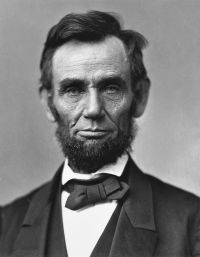
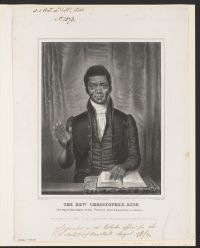
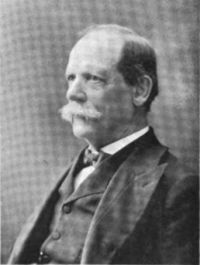
Hagood emphasized its crucial role in African American religious life, while Abraham Lincoln recognized its extraordinary contributions during the Civil War. Frederick V. Holman pointed out its civilizing impact in frontier areas, and historical records chart its transformation from a countercultural movement into an organized institution, ultimately reshaping American religious and societal landscapes through its theological discipline and flexible outreach.