On the Origin of Species

Definition and stakes

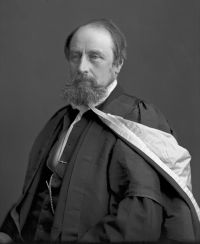
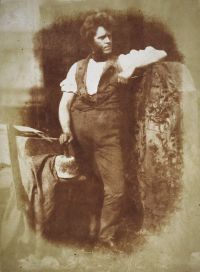
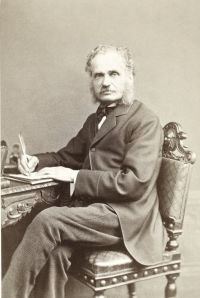
Portrait of Charles Darwin Charles Darwin On The Origin of Species (1859)

Amongst animals which unite for each birth, and which are highly locomotive, doubtful forms, ranked by one zoologist as a species and by another as a variety, can rarely be found within the same country, but are common in separated areas. How many of those birds and insects in North America and Europe, which differ very slightly from each other, have been ranked by one eminent naturalist as undoubted species, and by another as varieties, or, as they are often called, as geographical races!
Source: Wikisource

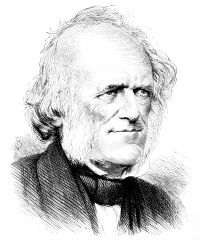
Portrait of Charles Darwin Charles Darwin The Origin of Species (1873)

But the mere existence of individual variability and of some few well-marked varieties, though necessary as the foundation for the work, helps us but little in understanding how species arise in nature. How have all those exquisite adaptations of one part of the organisation to another part, and to the conditions of life and of one organic being to another being, been perfected? We see these beautiful co-adaptations most plainly in the woodpecker and the mistletoe; and only a little less plainly in the humblest parasite which clings to the hairs of a quadruped or feathers of a bird
Source: Wikisource

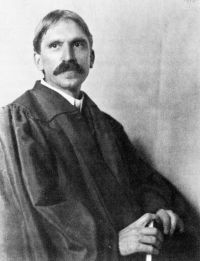
Portrait of Charles Darwin Charles Darwin On The Origin of Species (1859)

I will here give a brief sketch of the progress of opinion on the Origin of Species. Until recently the great majority of naturalists believed that species were immutable productions, and had been separately created. This view has been ably maintained by many authors. Some few naturalists, on the other hand, have believed that species undergo modification, and that the existing forms of life are the descendants by true generation of pre existing forms. Passing over allusions to the subject in the classical writers (Aristotle, in his "Physicae Auscultationes" (lib.2, cap.8, s.2)
Source: Gutenberg

Get perspective with Kwize: daily news enlightened by great literature