Palaeontologist

Definition and stakes

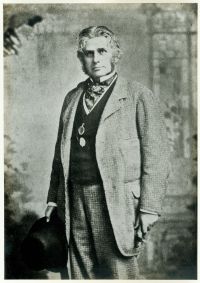
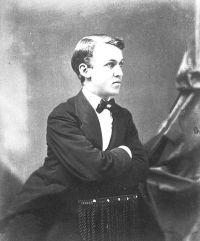
Henry Fairfield Osborn,  1911 Encyclopædia Britannica, Volume 20… (1911)

“ The task of the palaeontologist thus begins with the appearance of life on the globe, and ends in close relation to the studies of the archaeologist and historian as well as of the zoologist and botanist. That wealth of evidence which the zoologist enjoys, including environment in all its aspects and anatomy in its perfection of organs and tissues, the palaeontologist finds partially or wholly destroyed, and his highest art is that of complete restoration of both the past forms and past environments of life (see Plates I. and II.; figs. 1, 2, 3, 4, 5) . ”
Source: Wikisource

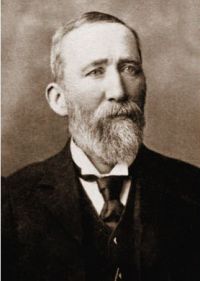
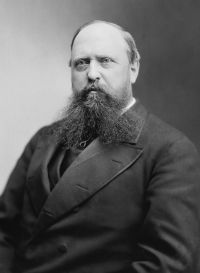
Portrait of Thomas Henry Huxley Thomas Henry Huxley,  Mr. Gladstone and Genesis

“ What competent palaeontologist will affirm, at this present moment, that he knows anything about the period at which life originated, or will assert more than the extreme probability that such origin was a long way antecedent to any traces of life at present known? What physical geologist will affirm that he knows when dry land began to exist, or will say more than that it was probably very much earlier than any extant direct evidence of terrestrial conditions indicates? ”
Source: Gutenberg

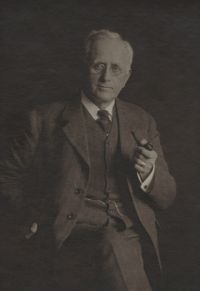
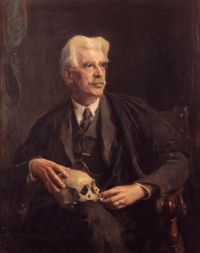
Portrait of Archibald Geikie Archibald Geikie,  Landscape in History, and Other Essays

“ A palæontologist cannot be expected to devote his time to the study of the microscopic characters of minerals and rocks. He leaves that research to the petrographer, who, on the other hand, will not readily embark on an investigation of the minute anatomy of fossil plants or animals. This specialisation, which has always to some extent existed, necessarily becomes more pronounced as science advances. ”
Source: Gutenberg

Get perspective with Kwize: daily news enlightened by great literature