Owen Roe O'Neill

Definition and stakes

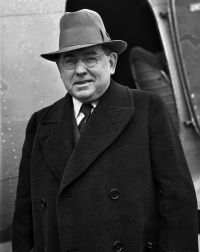
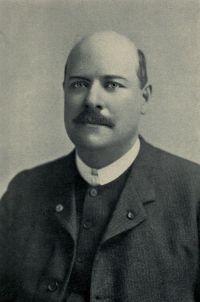
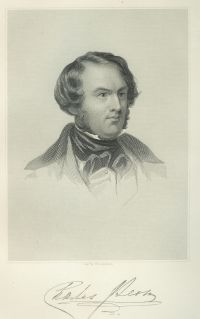
Portrait of John F. Finerty John F. Finerty,  Ireland: The People's History of Ireland… (1904)

“ Such is the effect true courage produces on even the most brutal natures.
Owen Roe O’Neill, who, of all the Irish generals, was alone fitted, both by nature and experience, to combat the able Cromwell, died soon after that tyrant’s arrival in Ireland, as some say by poison. He was on the march to attack the English army, when he surrendered to death at Clough Oughter Castle, in Cavan, bitterly mourned by all who had dreamed of an independent Ireland.
”
Source: Gutenberg

Richard Bagwell,  Ireland under the Stuarts and During the Interregnum…

“ Peter Walsh, who was bitterly opposed to O’Reilly, speaks of him as rather a good-natured and merciful man, but adds that he escaped owing to ‘his former services to the Parliament, especially that of betraying the royal camp at Rathmines to Jones.’ He was certainly engaged in secret negotiations between Jones and Owen Roe O’Neill in 1648, and it may well be that there was no wish to deal hardly with him. ”
Source: Gutenberg

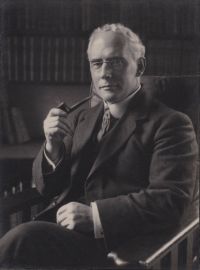
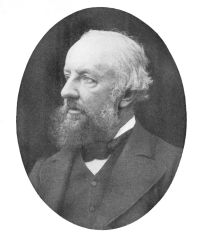
Portrait of Samuel Rawson Gardiner Samuel Rawson Gardiner,  Dictionary of National Biography… (1895)

“ O'NEILL, OWEN ROE (1590?–1649) , Irish patriot and general, born about 1590, was the son of Art O'Neill, the younger brother of Hugh O'Neill, earl of Tyrone, whose flight in 1607 was the immediate cause of the plantation of Ulster. Owen Roe, or the Ruddy, as he was called, entered the Spanish military service about 1610 (‘Aphorismical Discovery’ in Gilbert's Contemporary History of Affairs in Ireland, i. 6) . ”
Source: Wikisource

Get perspective with Kwize: daily news enlightened by great literature