
“ At the end of Canongate, the prolongation of High Street, we come out on a large open square. The palace of Holyrood is before us.Standing in a hollow, and surrounded by high hills, the aspect of the palace is most sombre. From the moment you cross the threshold, a thousand sad thoughts assail you. You are in the home of Mary Stuart. Everything speaks to you of her. Her sweet, tragic face, her noble presence, her thoughtful brow—you see all again in these halls instinct with her souvenir. They haunt the place as they still haunt the memory of the Scotch. ”
Palace of Holyrood
Definition and stakes
The theme of “Palace of Holyrood” has been addressed by authors such as Beatrice Home, Nathaniel Hawthorne, Laura G. Case Collins, W. J. Loftie and Romesh Chunder Dutt. It is often associated with terms like Edinburgh, England, castle, queen and Westminster.
Quotes about “Palace of Holyrood”
Seeing Europe with Famous Authors…
“ Beautiful as she is, she is not so much beautiful as interesting. She is preeminently Gothic, and all the more so since she has set herself off with some Greek airs, and erected classic temples on her crags. In a word, and above all, she is a curiosity.The palace of Holyrood has been left aside—in the growth of Edinburgh, and stands gray and silent in a workman's quarter and among breweries and gas-works. It is a house of many memories. Great people of yore, kings and queens, buffoons and grave ambassadors, played their stately farce for centuries in Holyrood. ”
T. Smollett, The Expedition of Humphry Clinker
“ The palace of Holyrood-house is an elegant piece of architecture, but sunk in an obscure, and, as I take it, unwholesome bottom, where one would imagine it had been placed on purpose to be concealed. The apartments are lofty, but unfurnished; and as for the pictures of the Scottish kings, from Fergus I. to king William, they are paultry daubings, mostly by the same hand, painted either from the imagination, or porters hired to sit for the purpose. All the diversions of London we enjoy at Edinburgh, in a small compass. ”

Related terms
Authors who wrote about “Palace of Holyrood”
Beatrice Home Nathaniel HawthorneLaura G. Case CollinsW. J. Loftie
 Romesh Chunder DuttLouise Spilker
 Augustus J. C. HareNathaniel Armstrong WellsN. D'Anvers
 Horace Newton AllenWalter HigginsWilliam Edward FryeRichard Boyle BernardKeith Clark
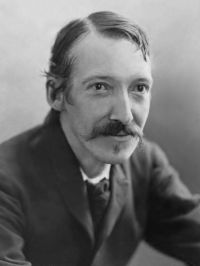 Robert Louis Stevenson
 Walter BesantVarious
 Mrs. Oliphant
 Percy Bysshe ShelleyCharles S. Olcott
Nathaniel HawthorneLaura G. Case CollinsW. J. LoftieRomesh Chunder DuttLouise SpilkerAugustus J. C. HareNathaniel Armstrong WellsN. D'AnversHorace Newton AllenWalter HigginsWilliam Edward FryeRichard Boyle BernardKeith ClarkRobert Louis StevensonWalter BesantVariousMrs. OliphantPercy Bysshe ShelleyCharles S. Olcott