Paulinus of Antioch

Definition and stakes

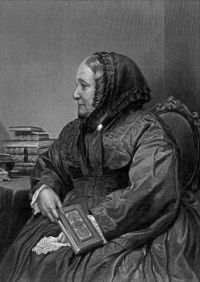
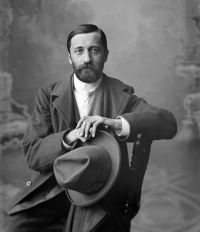
Portrait of Philip Schaff Philip Schaff Nicene and Post-Nicene Fathers… (1885)

About this time a serious contest was excited at Antioch in Syria, on account of Melitius. We have already observed [1]
that Paulinus, bishop of that city, because of his eminent piety was not sent into exile: and that Melitius after being restored by Julian, was again banished by Valens, and at length recalled in Gratian’s reign. [2]
On his return to Antioch, he found Paulinus greatly enfeebled by old age; his partisans therefore immediately used their utmost endeavors to get him associated with that bishop in the episcopal office.
Source: Wikisource

William Bright Dictionary of Christian Biography and Literature (1911)

Liberius was known to have made a full declaration of orthodoxy; and many Western bishops, responding to the appeals of Eusebius and Hilary of Poictiers, had eagerly renounced the Ariminian Creed and professed the Nicene. But the local troubles of Antioch were distressing; and Athanasius, seeing no other solution, recognized their bishop Paulinus as the true head of the Antiochene church, on his appending to his signature of the Tome a full and orthodox declaration, which, according to Epiphanius (Haer. 77, 20) , Athanasius himself had framed.
Source: Wikisource

Alban Butler The Lives of the Fathers, Martyrs…

Julian having allowed the banished bishops to go to their respective churches, St. Meletius returned to Antioch about the end of the year 362, but had the affliction to see the breach made by the schism grow wider. The Eustathians not only refused still to receive him, but proceeded to choose a bishop for themselves. This was Paulinus, a person of great meekness and piety, who had been ordained priest by St. Eustathius himself, and had constantly attended his zealous flock.
Source: Gutenberg

Get perspective with Kwize: daily news enlightened by great literature